How Certified Experts Identify Hidden Hazards in Older Buildings
As buildings age, they pose unique challenges that need professional attention to ensure safety and integrity. Identifying hidden hazards in older buildings is critical for preserving their structure and ensuring the safety of occupants. Professional asbestos inspectors use a mix of traditional methods and technological advancements in their analysis. By understanding the complexities of aging structures, these professionals can identify subtle signs of degradation. This initial evaluation explores the various techniques employed to detect, evaluate, and mitigate risks inherent in older buildings.
Understanding Environmental Pressures on Aging Structures
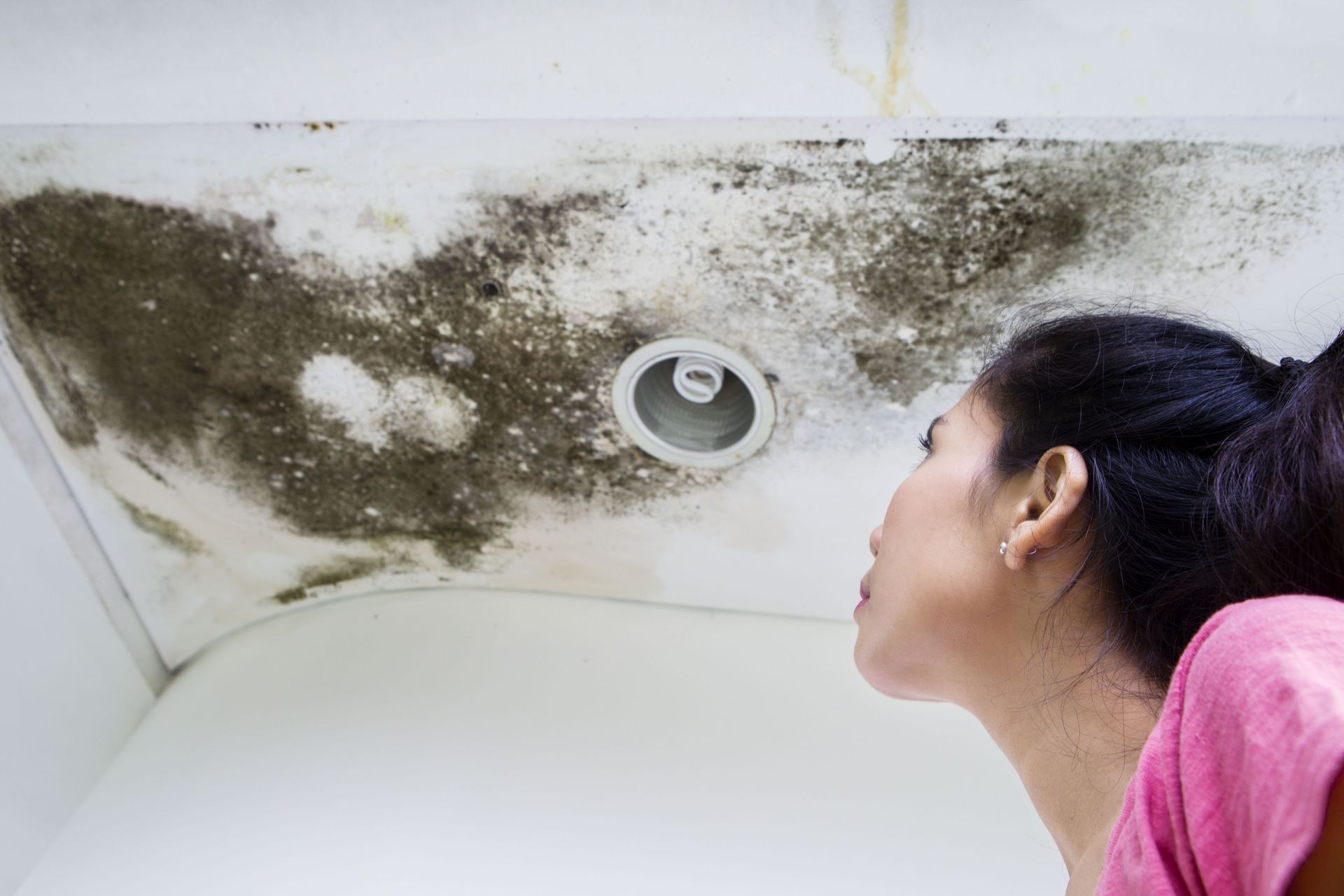
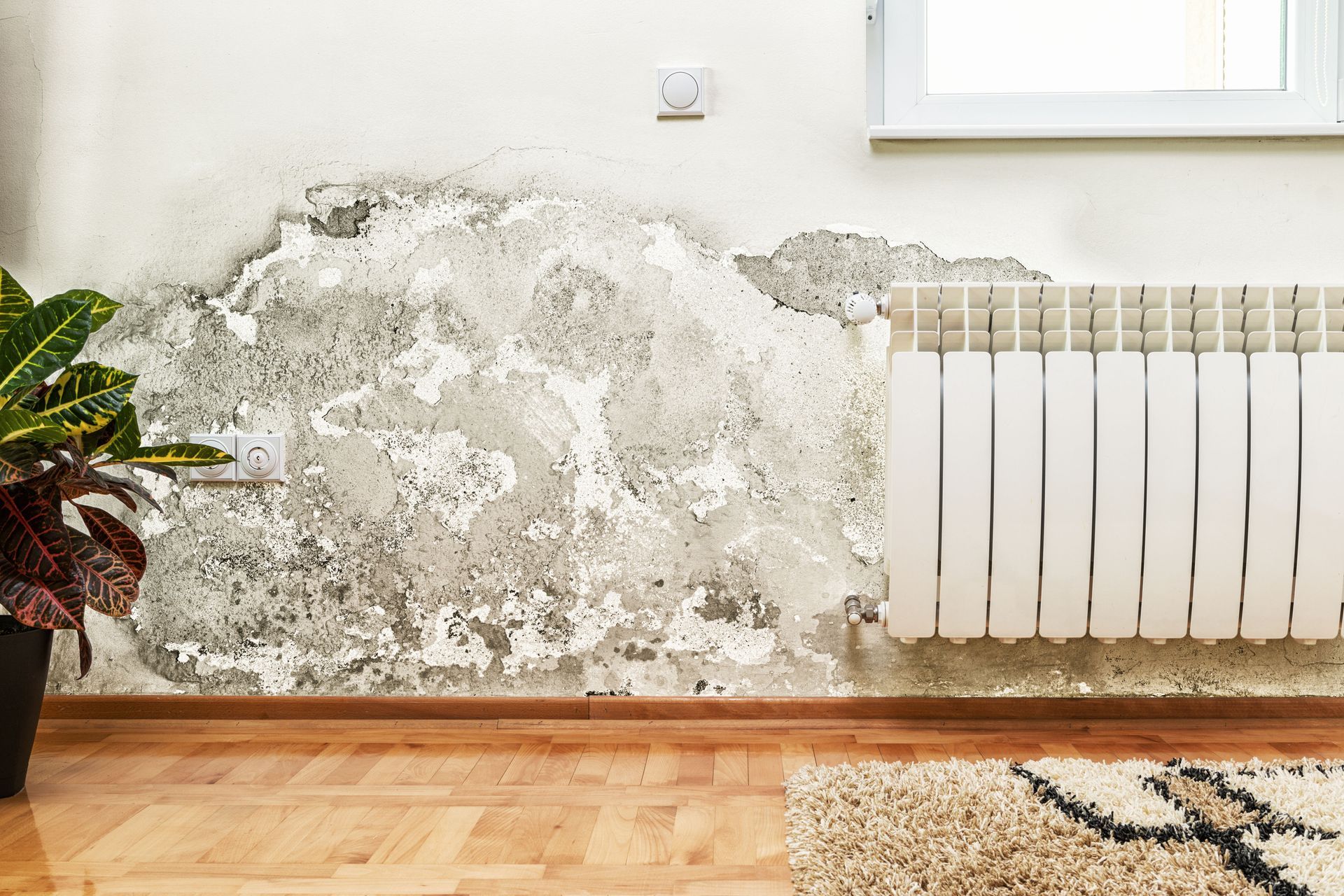
Buildings are constantly exposed to environmental elements that accelerate their degradation. Factors such as weather, temperature fluctuations, and pollution play a significant role in deteriorating structural components over time. Rain and snow can cause water infiltration, leading to internal damage, rot, and widespread mold growth. Pollution, especially in dense urban environments, erodes building surfaces and can compromise overall structural integrity. Over time, these environmental influences can render spaces unsafe without proper intervention. Qualified asbestos inspectors recognize that these stressors contribute significantly to wear and tear. Their first step is assessing how much damage has occurred due to these ongoing factors.
By conducting these detailed evaluations, qualified teams can differentiate between reversible surface wear and permanent structural damage. This distinction is crucial because it helps determine the necessary interventions to halt further degradation. Interventions can range from straightforward surface repairs to complex structural restoration efforts. Simple solutions might involve sealing exterior surfaces or installing protective moisture barriers. More intricate measures may include using specialized protective coatings designed to withstand aggressive weather conditions. By addressing environmental impacts directly, specialists help prolong the operational life of older properties while keeping occupants safe.
Assessing Material Degradation and Component Fatigue
Over time, materials such as wood, brick, and metal naturally deteriorate inside older properties. This aging process can lead to structural weaknesses if ignored. For instance, structural timber can succumb to rot and insect infestation, posing severe risks to stability. Brick, although durable, can crack or crumble under shifting loads, leading to potential collapse. Metals within the framework, if not properly sealed, may rust or corrode. Experienced asbestos inspectors examine each component carefully to understand the extent of degradation. Catching these structural issues early prevents minor defects from developing into major structural failures.
Intervention strategies typically include both structural reinforcement and ongoing maintenance plans. Repairs might involve replacing weakened support beams or reinforcing existing frameworks with durable materials that complement original designs. Ongoing maintenance schedules ensure these structural issues do not recur, safeguarding the building for years to come. Regular structural assessments and timely maintenance add decades to a building's lifespan while preserving its original character. Through these proactive efforts, dedicated teams maintain total safety and functionality for property owners.
Navigating Structural Vulnerabilities in Older Properties
As properties age, common structural issues arise that require prompt professional attention. Foundation cracks are among the most frequent problems, typically caused by shifting soil or natural settling over decades. Roof leaks represent another widespread concern, exacerbated by weather conditions that degrade outer roofing layers. These issues can lead to severe consequences, including structural timber rot, systemic mold growth, and unsafe living conditions. Dedicated asbestos inspectors focus on identifying and resolving these fundamental issues before they escalate further.
In assessing structural issues, qualified teams utilize visual inspections alongside technical evaluations. They first locate visible signs of deterioration like cracking, moisture stains, and sagging components. Following initial assessments, advanced diagnostic tools help gauge the precise scope of internal damage. This systematic approach allows for targeted interventions aimed at tackling root causes rather than temporary symptoms. Once identified, structural repairs might involve filling foundation cracks, replacing compromised elements, or installing modern load-bearing supports to stabilize the entire structure safely.
Addressing the Impact of Neglected Property Maintenance
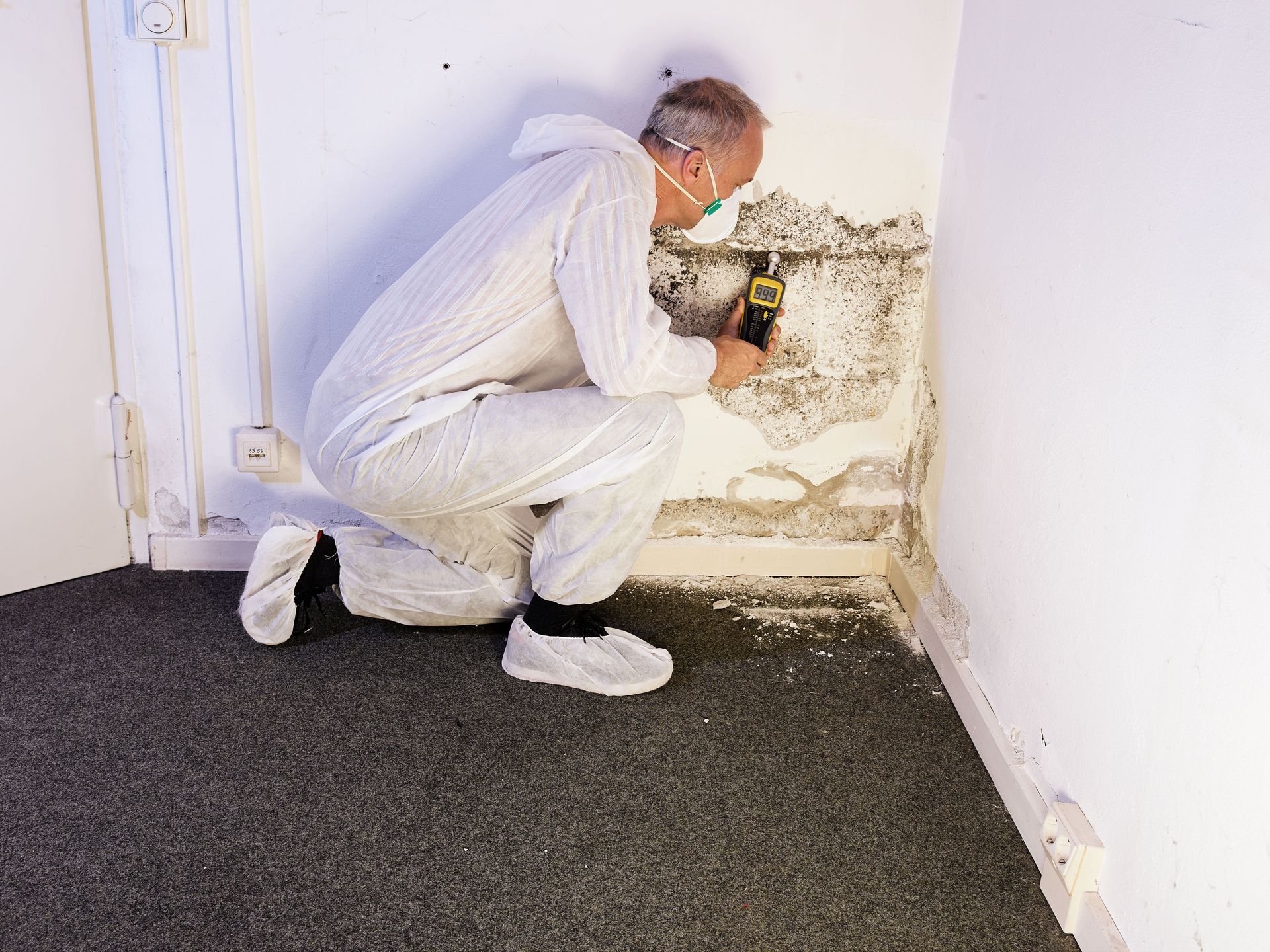
Proper maintenance plays a critical role in extending the lifespan of any property, especially aging structures vulnerable to wear. Neglected maintenance exacerbates existing problems like small leaks and hairline cracks, leading to severe hidden hazards. Issues left unattended result in expensive emergency repairs and pose safety risks to residents. For instance, undetected moisture inside wall cavities fosters rapid mold growth and material decay. Certified asbestos inspectors emphasize the value of routine maintenance schedules to prevent minor issues from escalating into major hazards.
Regular maintenance activities often include inspecting roof tiles, clearing drainage gutters, and verifying proper water runoff to prevent pooling. By keeping minor components in optimal condition, major structural failures are significantly less likely to occur. Property owners benefit immensely from maintaining detailed maintenance logs, documenting past repairs, and tracking historical updates. These comprehensive records assist teams in planning future upgrades and allocating necessary resources effectively. Diligent maintenance combined with professional evaluations ensures long-term building health and safety.
Mitigating Health Hazards During Historic Renovations
Historic renovations pose unique challenges because they must balance preserving original character with modern safety standards. Renovations must be carefully planned and executed to avoid inadvertently introducing structural weaknesses or health risks. Replacing original materials with incompatible modern alternatives can sometimes compromise historical integrity. Qualified asbestos inspectors guide these delicate processes, formulating clear strategies that respect history while addressing safety concerns. Their specialized guidance ensures that renovations enhance aesthetic appeal without compromising structural stability.
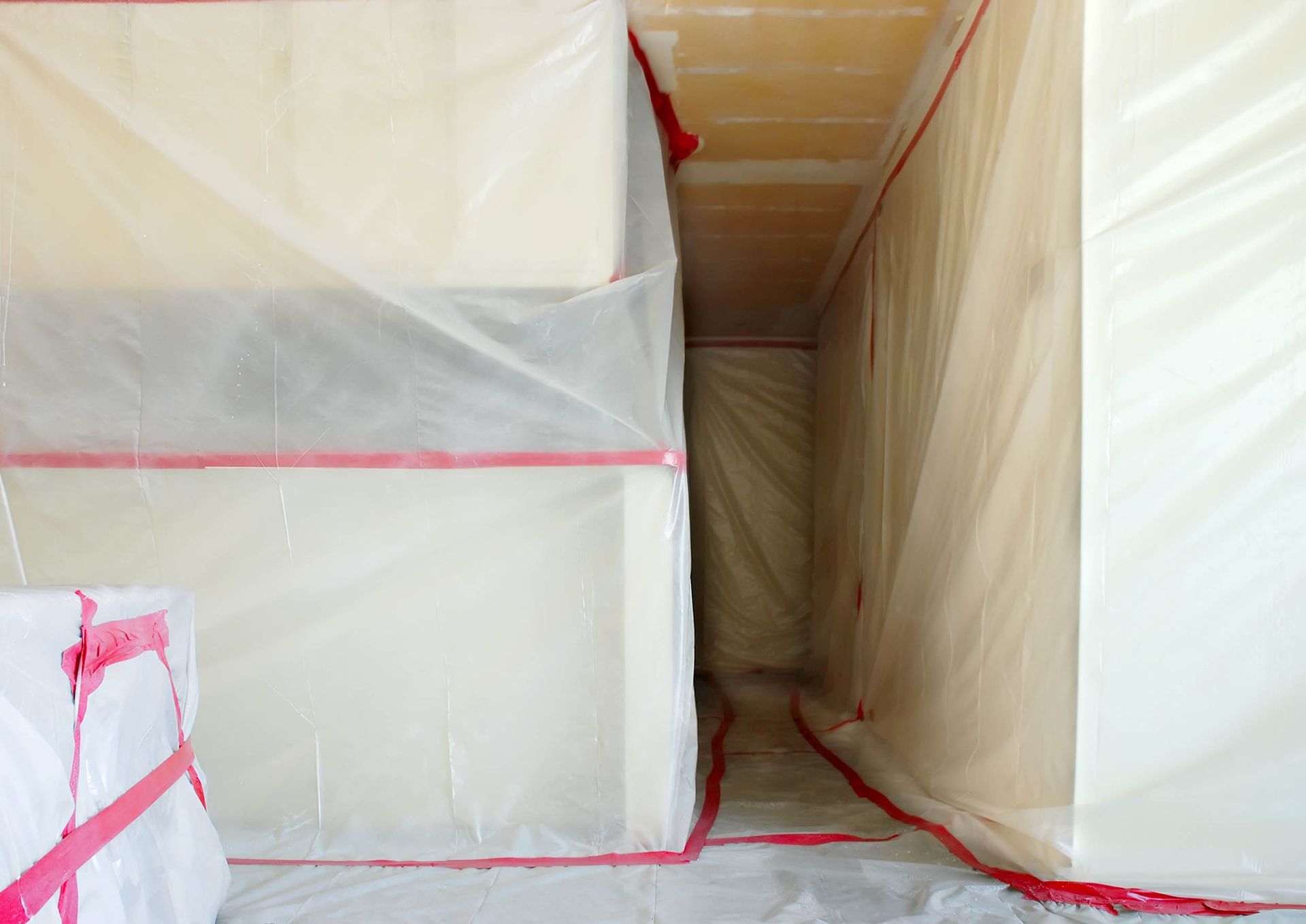
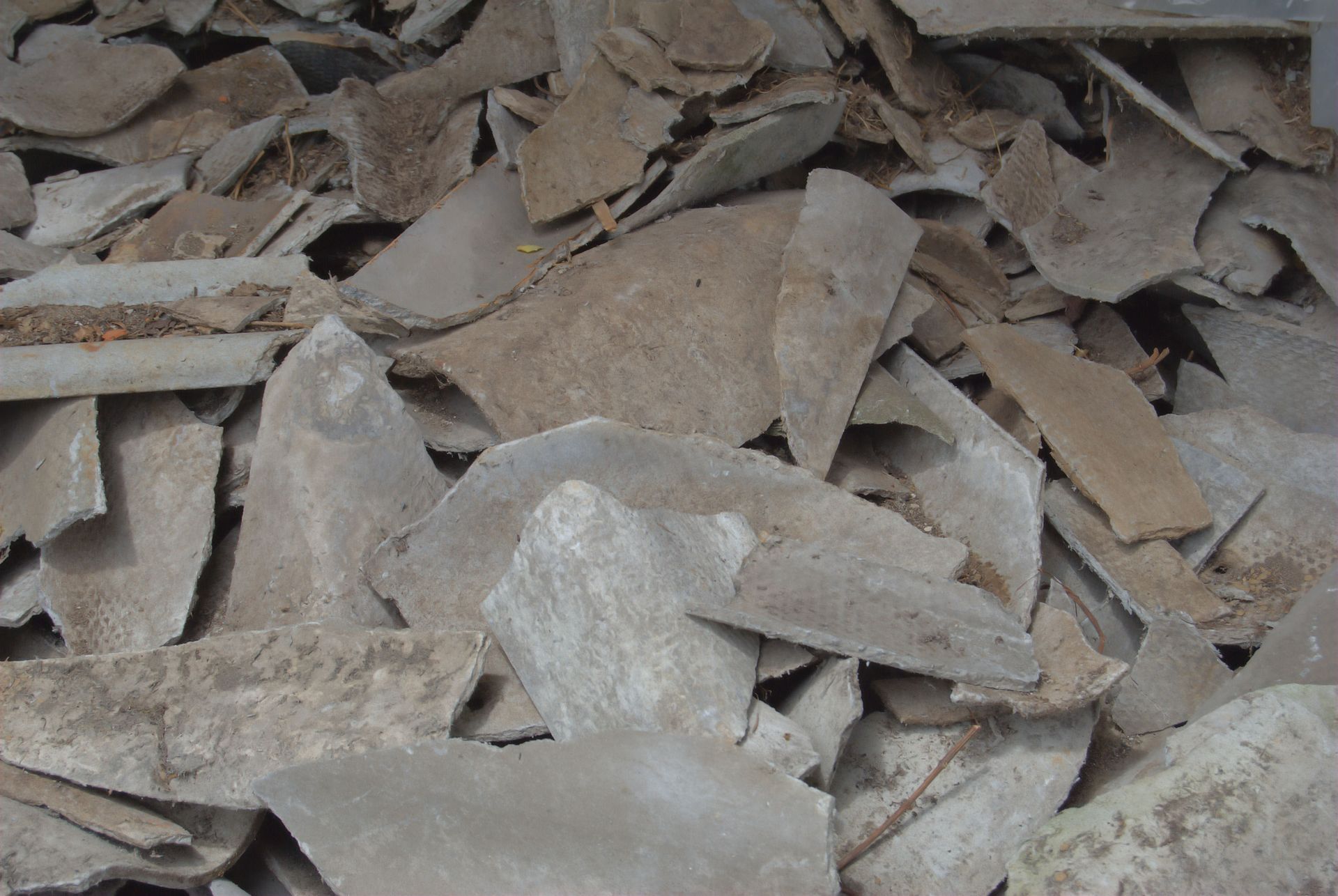
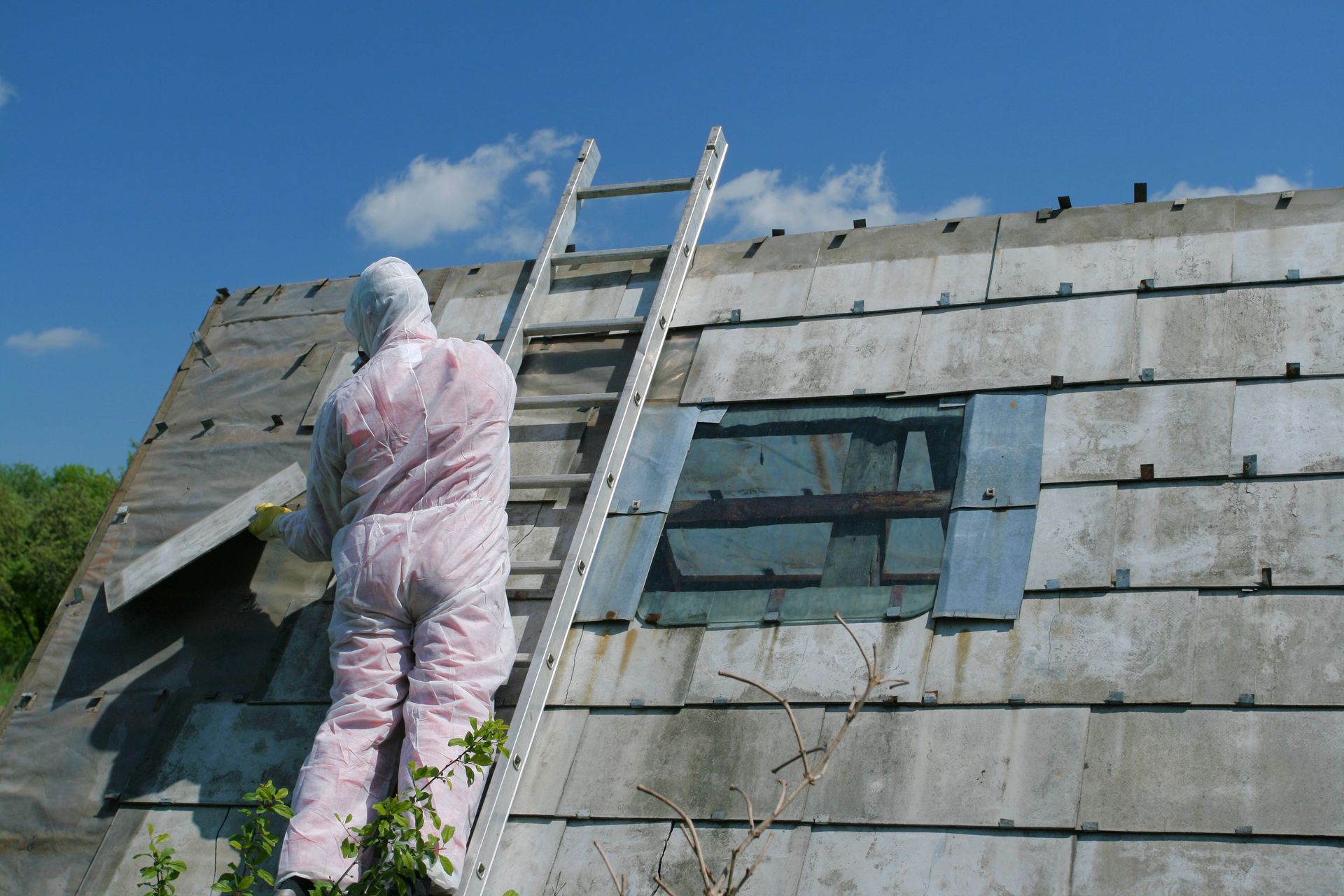
One primary risk during historic renovations is disturbing hazardous materials embedded within older walls, insulation, or flooring. According to the Mesothelioma Center, 24% of Americans don't know if there is asbestos in their home. Professional asbestos inspectors play a vital role in identifying these hidden hazards before demolition or remodeling begins. Through careful sampling and containment planning, specialists ensure safe removal and regulatory compliance. Utilizing historical building plans further aids in identifying previous structural alterations, allowing teams to construct safe, modern spaces while protecting original architectural value.
Implementing Advanced Testing and Diagnostic Techniques
Visual assessments serve as an essential starting point when identifying hazards within older properties. They offer clear surface-level insights, allowing teams to spot visible cracking, surface corrosion, and obvious water intrusion. However, visual checks alone cannot reveal hidden plumbing leaks, electrical faults, or concealed structural voids. Recognized asbestos inspectors combine visual examinations with advanced diagnostic tools to form complete assessments. This multi-layered strategy ensures that hidden hazards beneath floors or behind walls are fully documented.
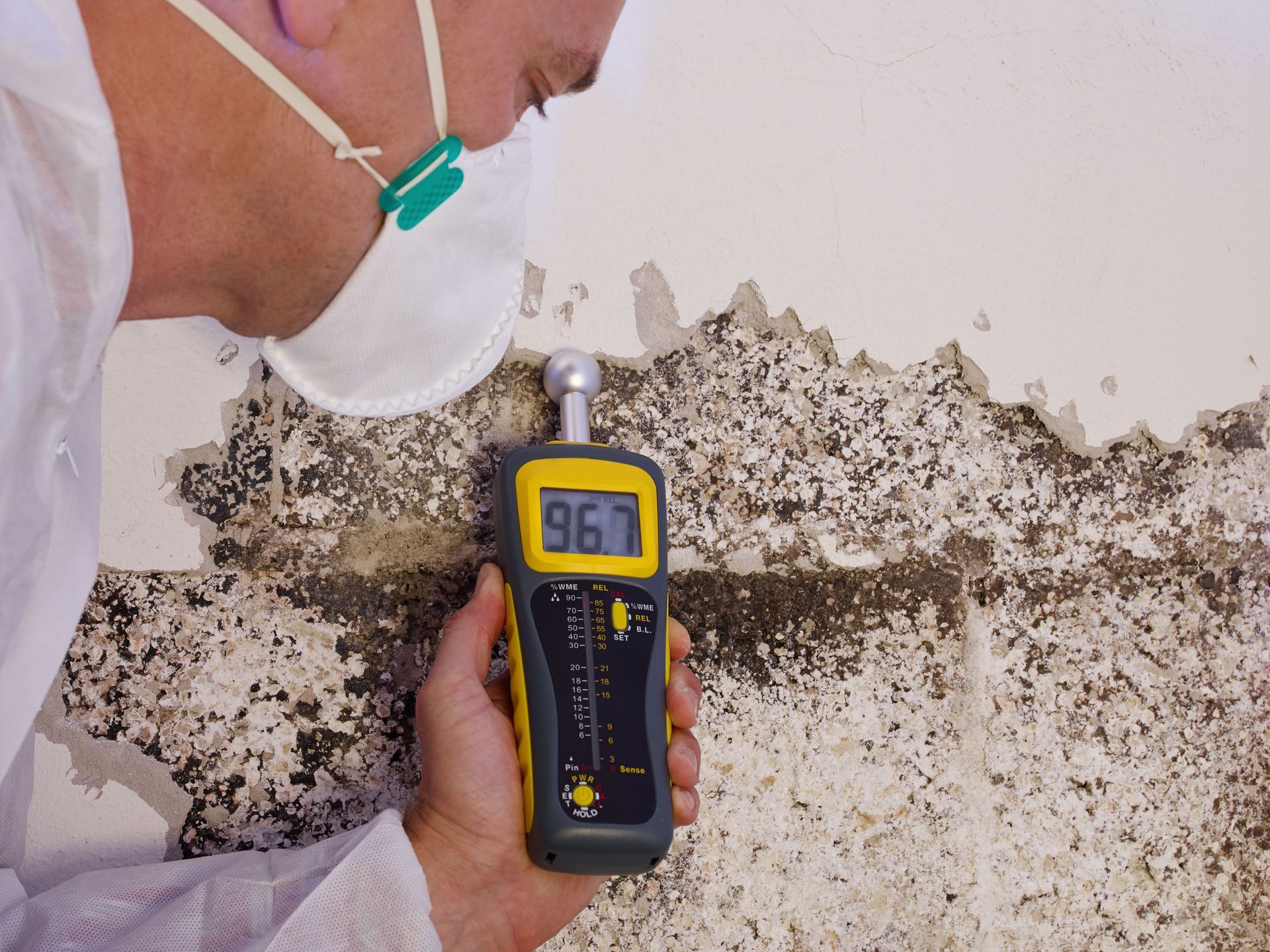
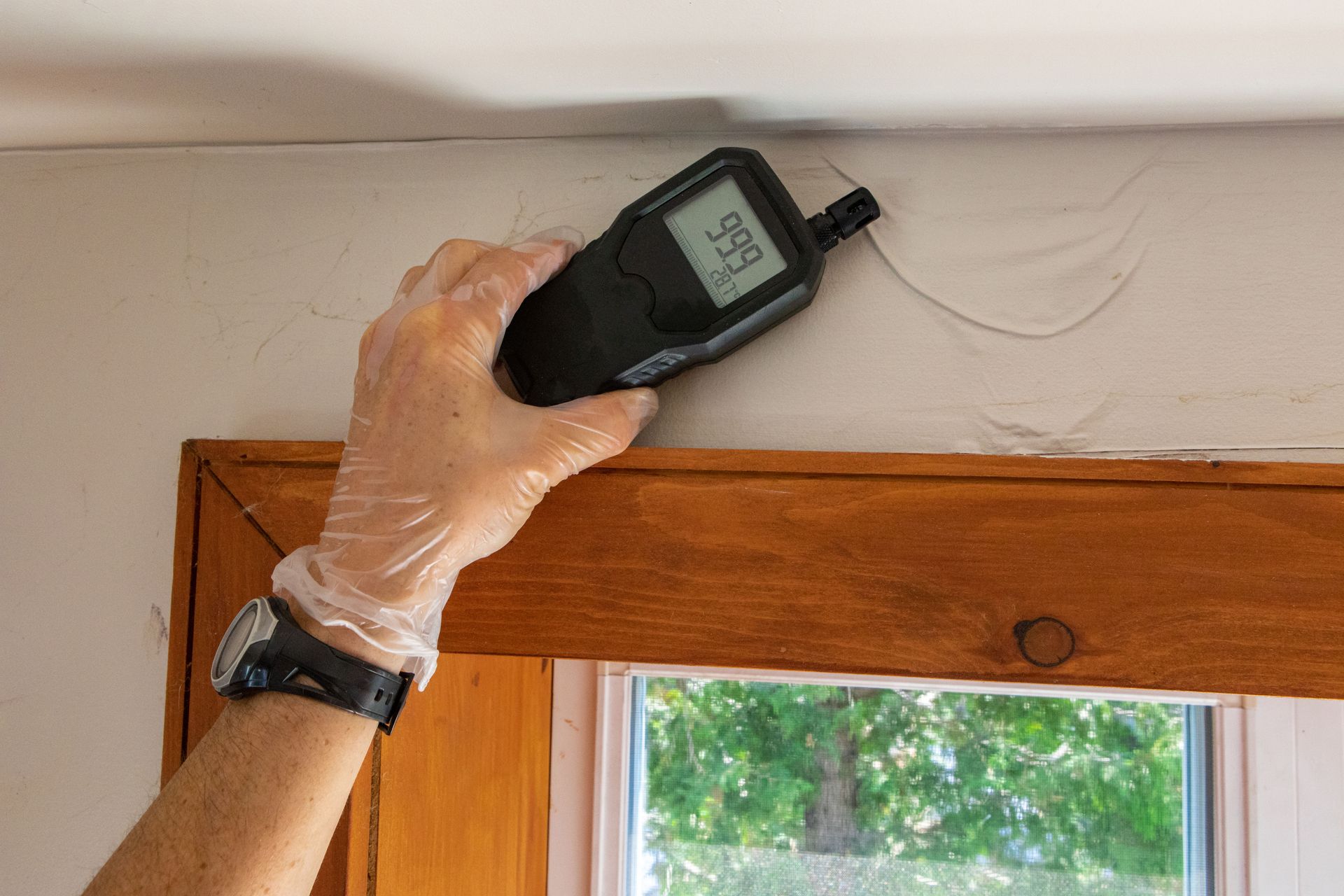
Non-destructive testing methods have transformed how specialists evaluate structural health. Techniques can reveal hidden moisture intrusion, insulation gaps, and overheating electrical components without damaging walls. Ultrasound testing provides precise data regarding material thickness and internal density. By using these non-invasive methods, asbestos inspectors gather accurate internal data while keeping historic building materials entirely intact. Real-time diagnostic data enables swift, informed decision-making regarding necessary repairs, saving property owners both time and financial resources.
Analyzing Chemical Properties and Modernizing Electrical Systems
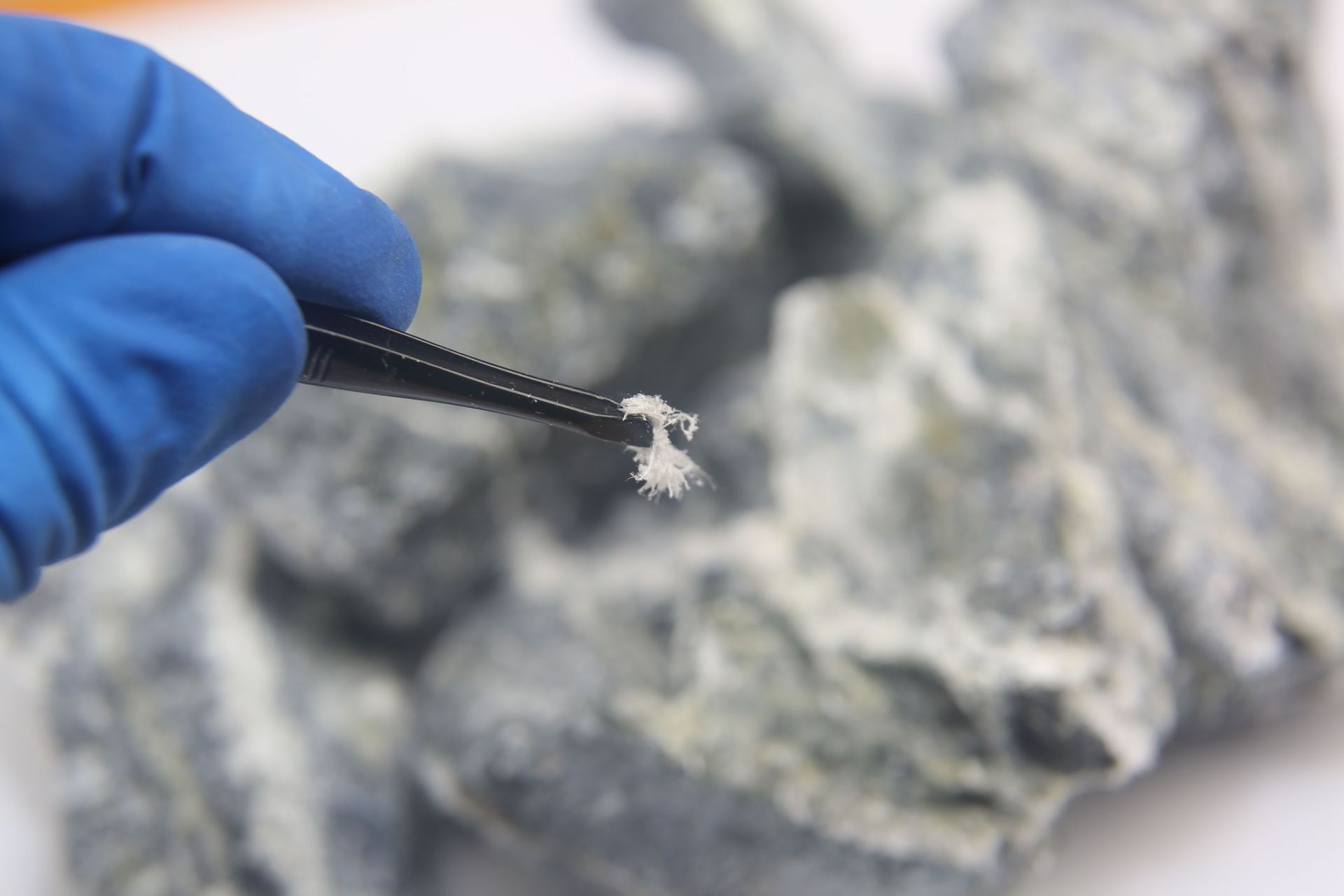
Chemical analysis of building materials provides another vital layer of insight during comprehensive building evaluations. This process involves testing small samples to determine precise material composition and degradation levels. Chemical testing reveals hazardous substances and helps identify specific stages of material decay. Trained asbestos inspectors collect these samples carefully to minimize damage to original surfaces. Laboratory results allow teams to formulate precise remediation plans, ensuring hazardous materials are safely removed and replaced with modern, durable alternatives.
Aging electrical systems also present major safety risks in older structures, demanding thorough professional review. Outdated wiring and overloaded electrical panels can lead to unexpected power failures or fire hazards. Over decades, wire insulation degrades, increasing the potential for short circuits. Qualified technicians assess existing electrical layouts, identify overloaded circuits, and recommend complete modern upgrades. Upgrading electrical infrastructure requires careful planning to route new wiring through existing walls without damaging historic features, successfully bringing older properties up to modern safety codes.
Evaluating fire safety compliance is equally critical when restoring older properties. Aging structures often lack modern fire suppression systems or accessible emergency exits. Professional evaluators inspect smoke detectors, fire barriers, and sprinkler systems to ensure full operational readiness. Necessary fire safety upgrades are thoughtfully integrated to match original architectural aesthetics, preserving historic value while providing robust protection for all occupants. Comprehensive structural care, safety evaluations, and environmental testing are expertly provided by All Green Air, LLC.

Share On: