
5 Hidden Places Mold Grows in Homes (And Why an Inspection Matters)
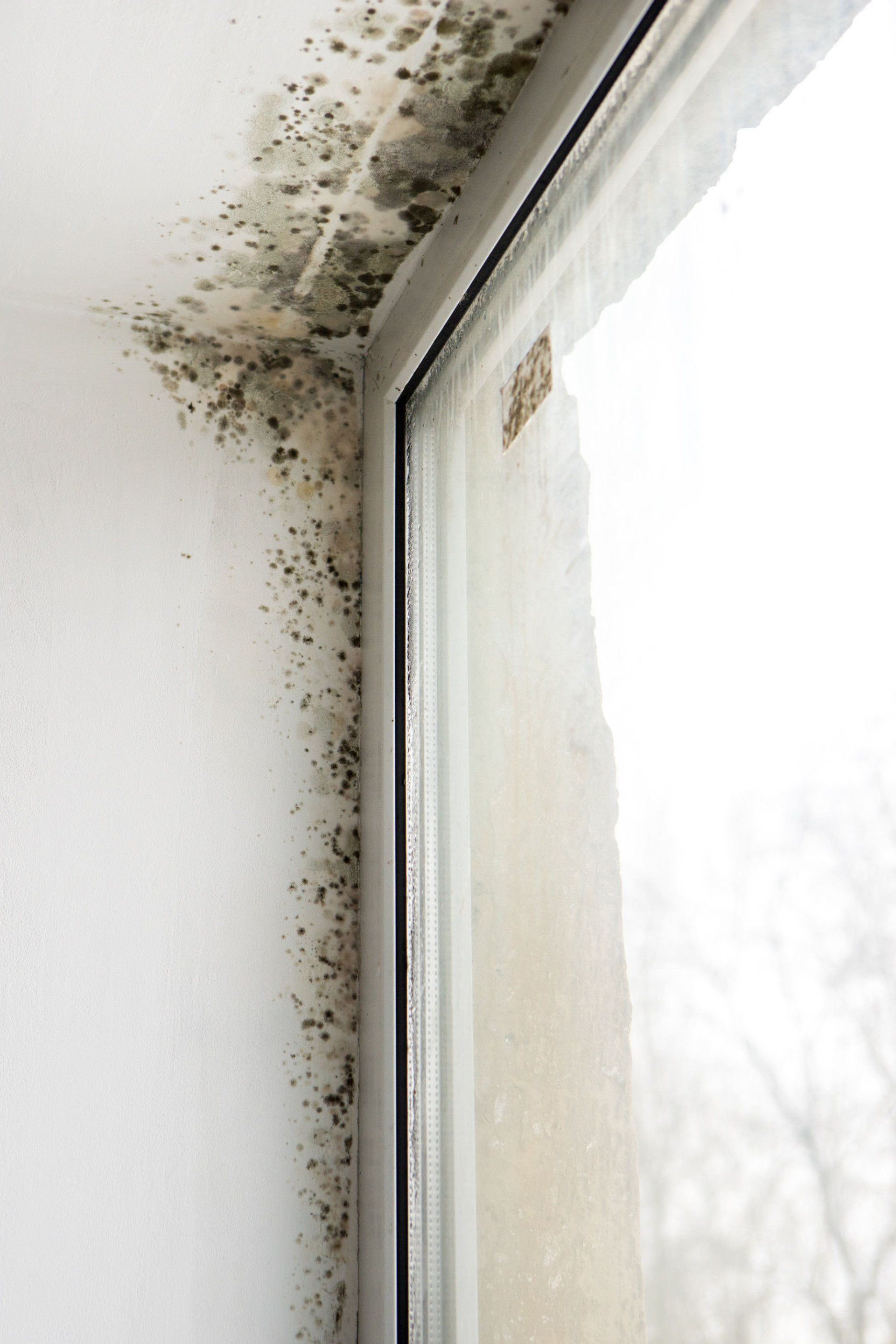
Mold is one of those household issues that often goes unnoticed until it becomes a much bigger problem. Because it thrives in moisture-rich, dark, and undisturbed places, many homeowners don't realize it's there until they notice a musty smell, unexplained allergies, or visible patches on walls and ceilings. Even then, what you see on the surface rarely tells the full story. Hidden mold can exist behind walls, beneath flooring, inside vents, or even under furniture you hardly move. That's why so many homeowners turn to mold inspection services when something seems off, but they can't pinpoint the source. A trained specialist can detect what the eye cannot see, helping your home stay safe, healthy, and free of long-term structural damage.
Understanding the lesser-known places where mold grows is essential. Not only does it help you catch problems early, but it also empowers you to maintain your home more effectively year-round. Below, we'll explore five surprising areas where mold commonly hides, along with why a professional inspection matters more than you may realize.
1. Behind Drywall and Inside Wall Cavities
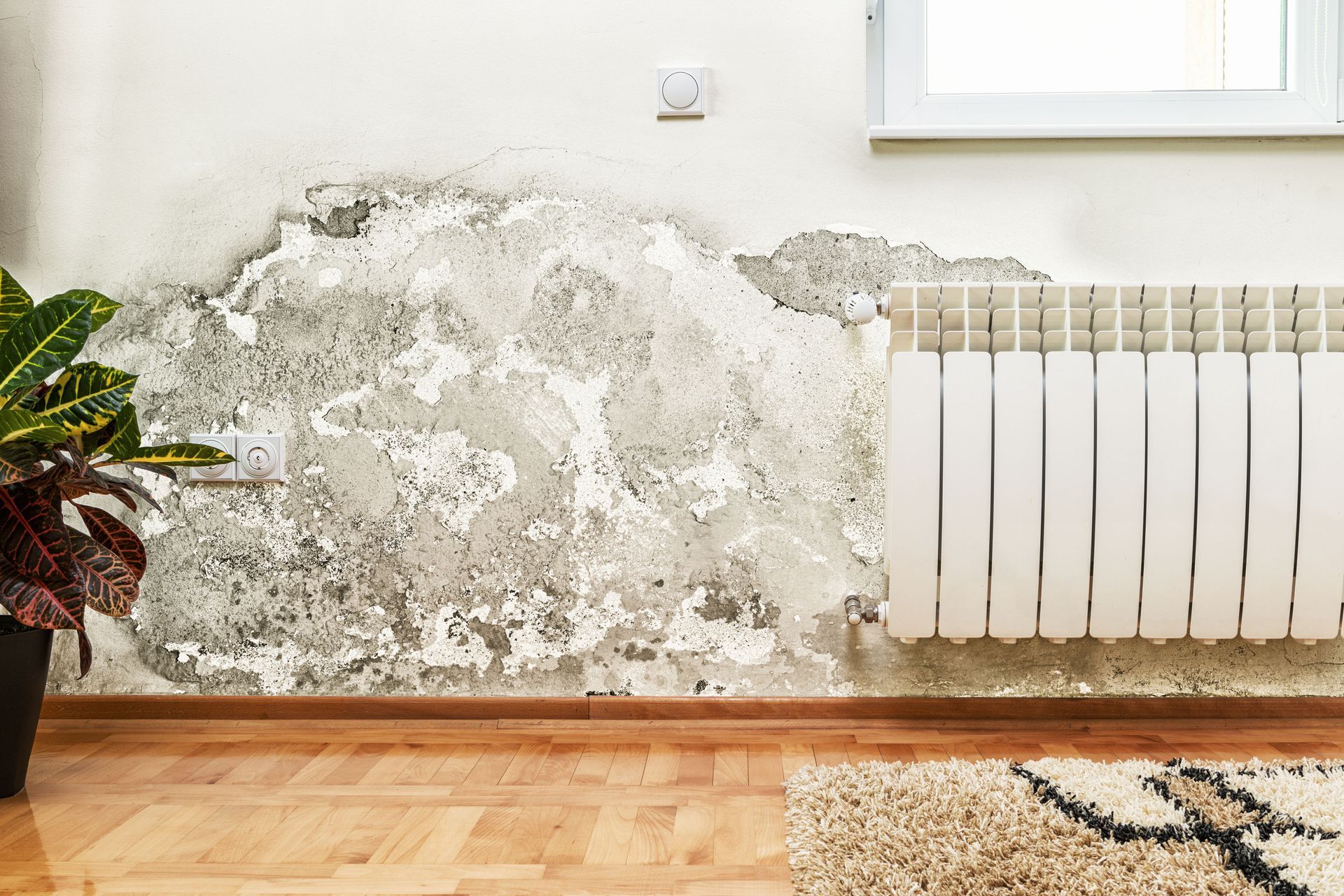
Most homeowners assume that if their walls look clean, they're mold-free. Unfortunately, mold often grows behind drywall long before there are any visible signs. Wall cavities are dark, enclosed spaces that trap moisture easily, especially after slow plumbing leaks, condensation buildup, or past water damage that was never fully dried out. Mold only needs about 24 to 48 hours of moisture exposure to begin growing, in our professional experience, so even a brief leak behind a wall can create the perfect environment.
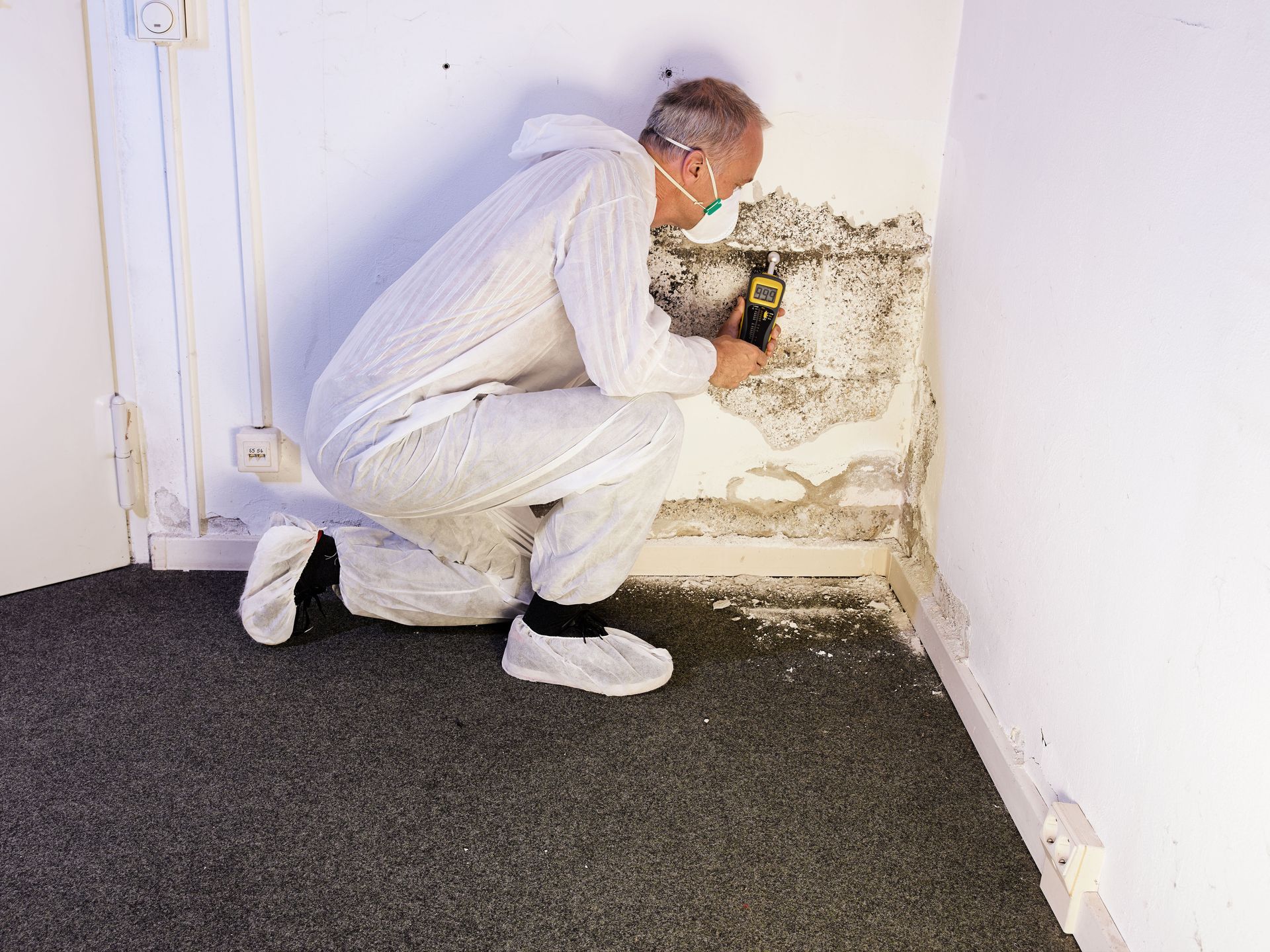
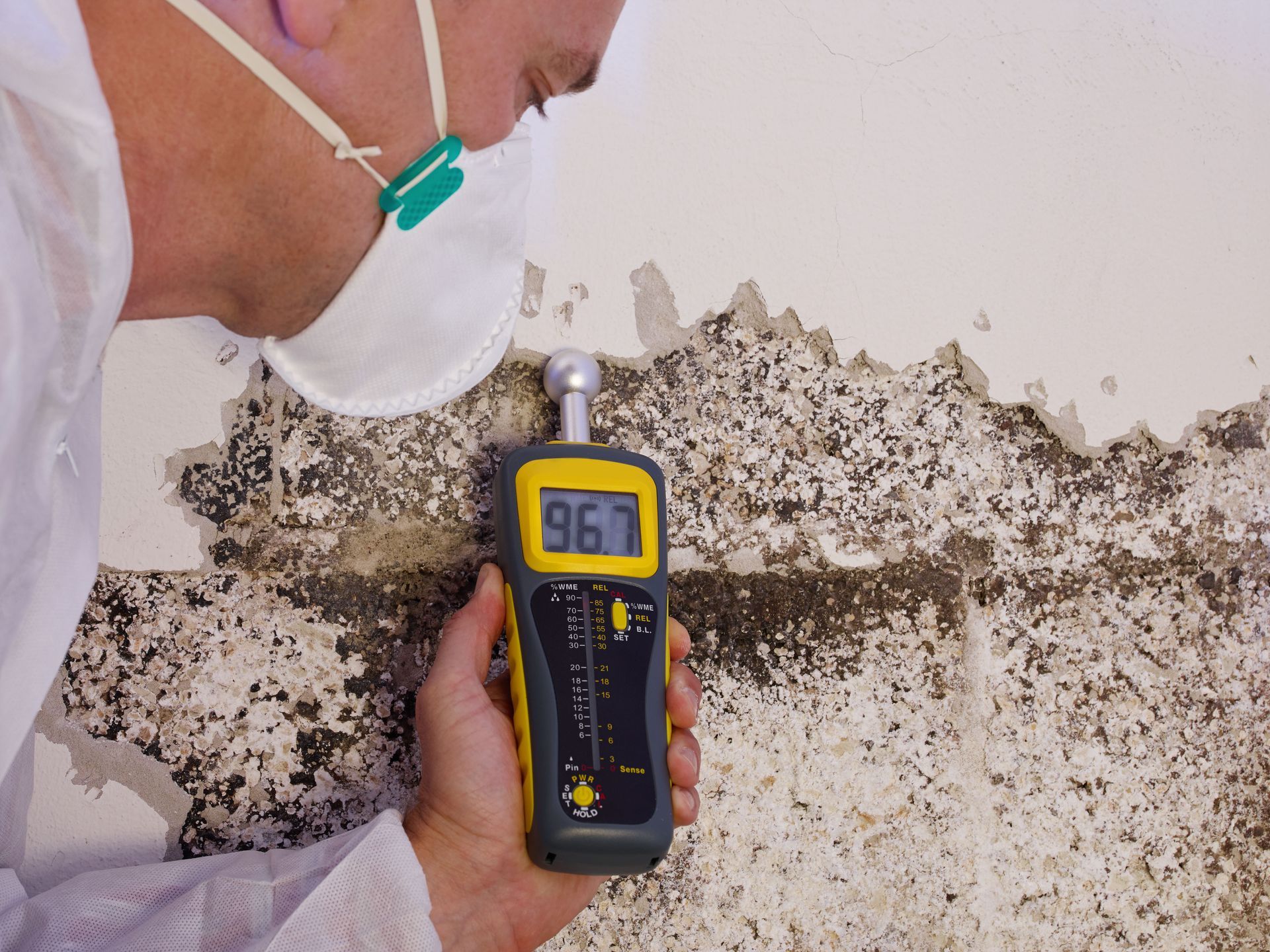
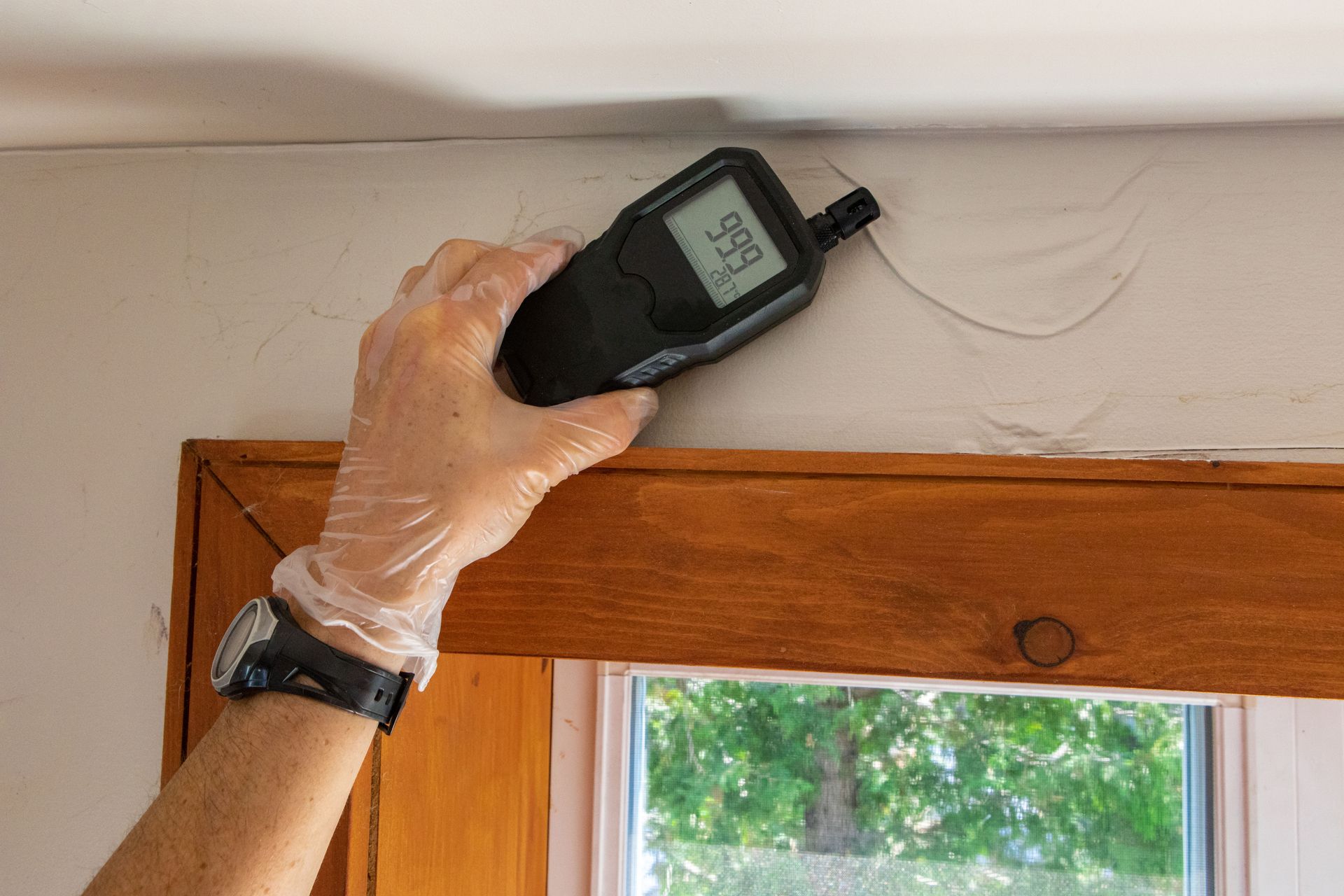
One of the biggest problems with mold inside walls is that it tends to spread vertically and horizontally through insulation and framing. You may notice a faint musty smell, warped baseboards, bubbling paint, or discolored patches, but by the time these surface issues appear, the mold colony is often already extensive. Many homeowners attempt DIY testing at this stage, but the results may not be reliable. According to BobVila.com, DIY mold testing kits cost $40 or less but may not provide accurate or useful results. This is one of the reasons people rely on mold inspection services when they suspect a problem behind their walls. Professionals use advanced tools such as thermal imaging cameras and moisture meters to locate moisture pockets and hidden growth safely and precisely.
2. Beneath Carpets and Padding
Carpet can feel warm, soft, and safe, but underneath, it can harbor a surprising amount of moisture. Even small spills that soak through the fibers can remain trapped in the padding below, creating a slow-brewing mold issue. This is especially common in homes with older carpets, pets, or high humidity levels. Basements and rooms with concrete subfloors are particularly vulnerable, because concrete retains moisture longer than wood.
Many homeowners don't realize mold is growing under their carpet until they pull it up during remodeling or after noticing persistent odors. Because the top layer often dries quickly, you may never see visible signs on the surface. The only hints might be squishy spots underfoot, discoloration near furniture, or allergy symptoms that seem to worsen indoors. This is another area where mold inspection services can be incredibly valuable, as professionals can assess whether moisture exists beneath the flooring without tearing up the carpet unnecessarily.
3. Inside HVAC Systems and Ductwork
Your heating and cooling system plays a major role in maintaining indoor comfort, but it can also unintentionally circulate mold spores throughout your home. HVAC systems draw in air, cool or heat it, and then redistribute it through ductwork. If components like drip pans, evaporator coils, or air ducts trap moisture or accumulate dust, mold can begin to grow inside. Once mold takes hold in these areas, every time the system runs, it can spread spores into every room.
This type of mold growth is especially tricky because it's completely hidden inside the system. You may notice a musty smell when the air kicks on or experience allergy symptoms that flare up whenever the HVAC is running. Some homeowners mistake this for dust or seasonal allergies, unaware that their ductwork could be the real cause. Professional mold inspection services can include HVAC checks, helping pinpoint whether your system is harboring mold and whether a deeper cleaning or disinfection is needed.
4. Under Sinks, Inside Cabinets, and Behind Appliances
Kitchens and bathrooms are obvious spots for mold, but what may surprise homeowners is where exactly it grows in these areas. Mold loves enclosed, undisturbed spaces, like the dark cabinet under a sink or the narrow gap behind a dishwasher or washing machine. These locations often develop mold because small plumbing leaks go unnoticed for weeks or months. A loose pipe connection, a failing seal, or even condensation can slowly introduce moisture into these hidden spaces.
Because the cabinet doors remain closed most of the time, moisture has little opportunity to evaporate. Pair that with wood, particleboard, and dust, all mold-friendly materials, and growth becomes almost unavoidable. You might smell an earthy odor when you open the cabinet, or you might see slight swelling or discoloration, but these signs are often subtle. This is why many homeowners call for mold inspection services when they've had recurring plumbing problems or unexplained smells in kitchens or bathrooms.
Behind appliances, mold can grow freely without ever being disturbed. The area behind refrigerators is particularly vulnerable because of condensation from cooling coils and water lines connected to ice makers. Washing machines can also leak small amounts of water unnoticed, especially if the connections loosen over time. Regularly pulling out major appliances to clean behind them can greatly reduce mold risk, but inspections help catch growth you cannot see.
5. In Attics, Crawl Spaces, and Other Low-Traffic Areas
Some of the most overlooked areas of a home are attics, crawl spaces, and storage rooms. Because these areas are rarely visited, mold can grow for years without being noticed. Attics are especially prone to mold when ventilation is poor or when bathroom exhaust fans send humid air upward instead of outside. A small roof leak can also introduce enough moisture to fuel mold growth long before anyone realizes it's there.
Crawl spaces often have high humidity, exposed soil, and limited airflow, all of which promote mold growth. If insulation becomes damp, or if the vapor barrier is damaged or missing, the environment becomes even more favorable for mold. Homeowners usually discover these issues only after noticing strong odors, floor warping, or pest problems. This is why mold inspection services are strongly recommended for anyone who owns an older home, has a history of leaks, or has never had their attic or crawl space professionally evaluated.
These low-traffic areas play a major role in your home's air quality. If mold is growing in the attic or crawl space, spores can enter the living areas through tiny cracks and seams. Regular inspections ensure these hidden spaces stay dry, clean, and structurally sound.
Mold doesn't always grow where you expect it to. While some people only look for it on bathroom tiles or in damp basements, the reality is that mold thrives in places you rarely see, behind walls, under flooring, inside ducts, beneath sinks, and throughout low-traffic spaces in your home. That's why early detection is crucial. A small, hidden leak or persistent humidity can lead to mold growth that affects both your home's structure and your family's well-being.
Your home is one of your biggest assets; keeping it healthy, safe, and mold-free ensures you can enjoy it for years to come. If any of these hidden mold areas sound familiar, it might be the perfect time to schedule a thorough inspection and take control of your indoor environment.
Protect your home from hidden mold issues by scheduling a professional inspection with All Green Air, LLC. Contact our team today to ensure your indoor air is clean, safe, and healthy year-round.


Share On: