
Does Your Home Need an Asbestos Inspector?
Many residential properties still contain legacy construction materials that were widely used before modern safety standards were established. In older homes, asbestos may remain hidden within insulation, flooring, roofing, and wall systems, making it difficult to identify without professional evaluation. Understanding when an asbestos inspector is needed helps homeowners reduce exposure risk and make informed property decisions. Even homes that appear structurally sound can contain materials that degrade over time and become hazardous when disturbed.
A qualified inspector provides clarity in situations where visual assessment alone is not sufficient. This includes renovation planning, property purchases, or routine safety evaluations in aging structures. The goal is not only to detect potential hazards but also to guide next steps in managing them responsibly. In many cases, early inspection prevents unnecessary exposure and avoids costly complications during construction or repair work.
Inspecting Aging Materials
Homes built several decades ago often contain materials that were standard at the time but are now considered high risk when damaged. An inspector evaluates these materials based on age, composition, and condition rather than appearance alone. This is important because asbestos-containing materials can remain stable for years until disruption occurs through remodeling or deterioration.
In many cases, homeowners are unaware that routine maintenance can expose underlying hazards. Ceiling textures, insulation layers, and older adhesives are common areas where risks are concealed. An inspector examines these components systematically to determine whether testing is necessary. This reduces uncertainty and ensures that decisions are based on verified conditions rather than assumptions.
The role of an asbestos inspector becomes especially important during early-stage property evaluation. Identifying aging materials before renovation begins helps prevent accidental disturbance. It also provides a foundation for safe planning, particularly in homes where previous repairs may have concealed original construction layers.
Detecting Hidden Hazards
Hidden hazards are one of the most challenging aspects of managing older residential structures. Materials may appear intact but still contain embedded asbestos fibers that are not visible without testing. An inspector focuses on these concealed risks by examining structural areas that are commonly overlooked during standard home assessments.
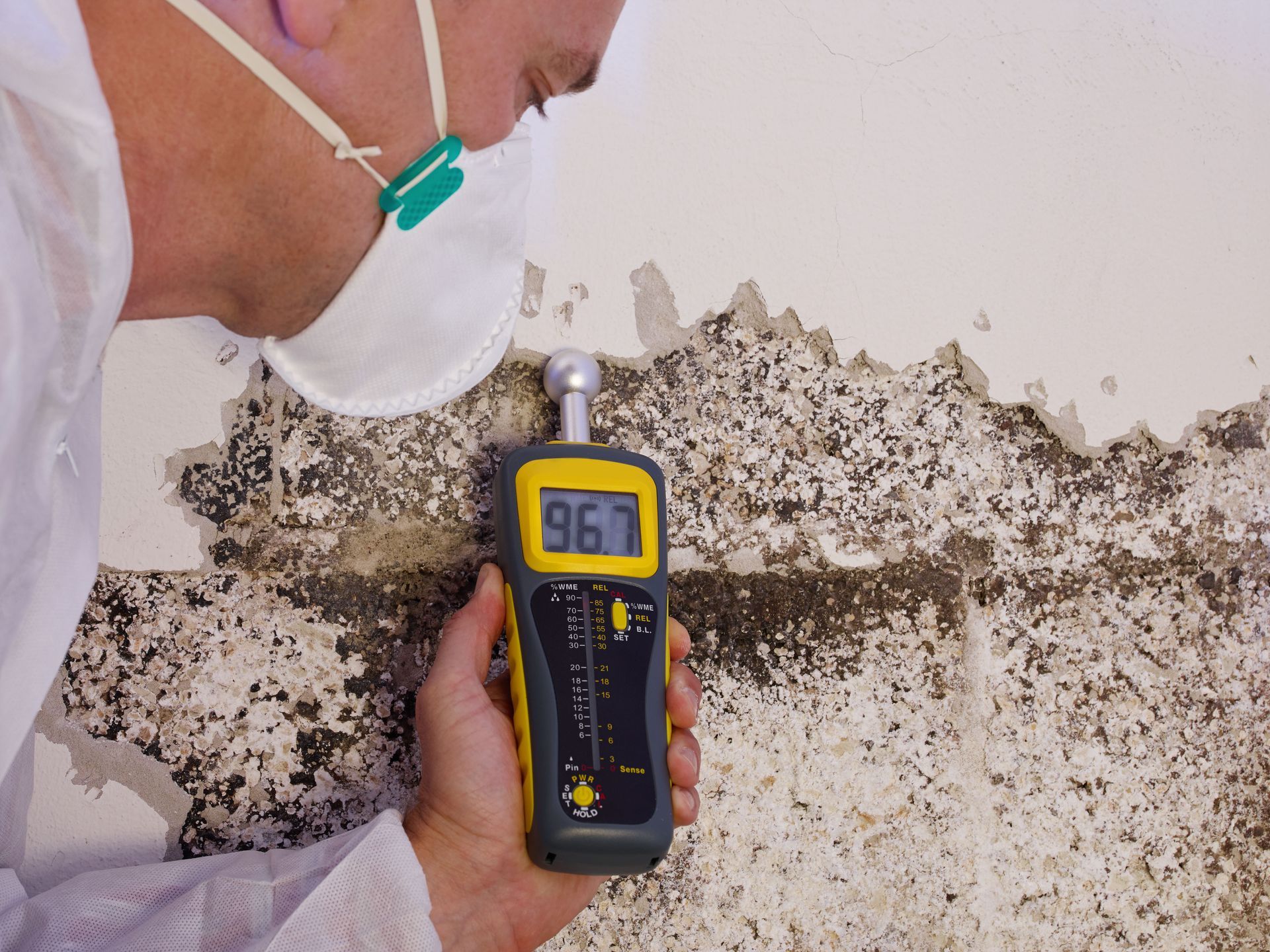
Basements, attics, and enclosed utility spaces often contain outdated materials that were left undisturbed for years. When these areas are altered, fibers can become airborne, increasing potential exposure. An inspector evaluates both accessible and concealed zones to determine whether further sampling is required. This approach ensures that risk is identified before physical disruption occurs.
For homeowners planning renovations, this evaluation stage is essential. It provides a clear understanding of which areas require caution and which can be safely modified. Without professional input, hidden hazards may go unnoticed until construction is already underway, increasing both safety risks and project costs.
Understanding Health Risks
Health risks associated with asbestos exposure are well documented and often develop over long periods of time. Diseases linked to exposure include lung cancer, asbestosis, and mesothelioma, which can take decades to appear after initial contact. An asbestos inspector helps translate these risks into actionable property assessments by identifying whether hazardous materials are present in the home environment.
According to the American Lung Association, an estimated 3,000 new cases of mesothelioma are reported each year across the United States. This ongoing occurrence reflects how past asbestos use continues to influence present-day health concerns, particularly in older residential properties. An inspector uses this type of data to better understand where risk is most likely to exist within a home and to guide homeowners toward appropriate next steps based on identified conditions.
Because symptoms are delayed, exposure often goes unnoticed until significant damage has already occurred. This makes early identification critical. By working with an inspector, homeowners gain access to professional evaluation that reduces uncertainty and supports long-term health protection.
Testing Suspected Areas
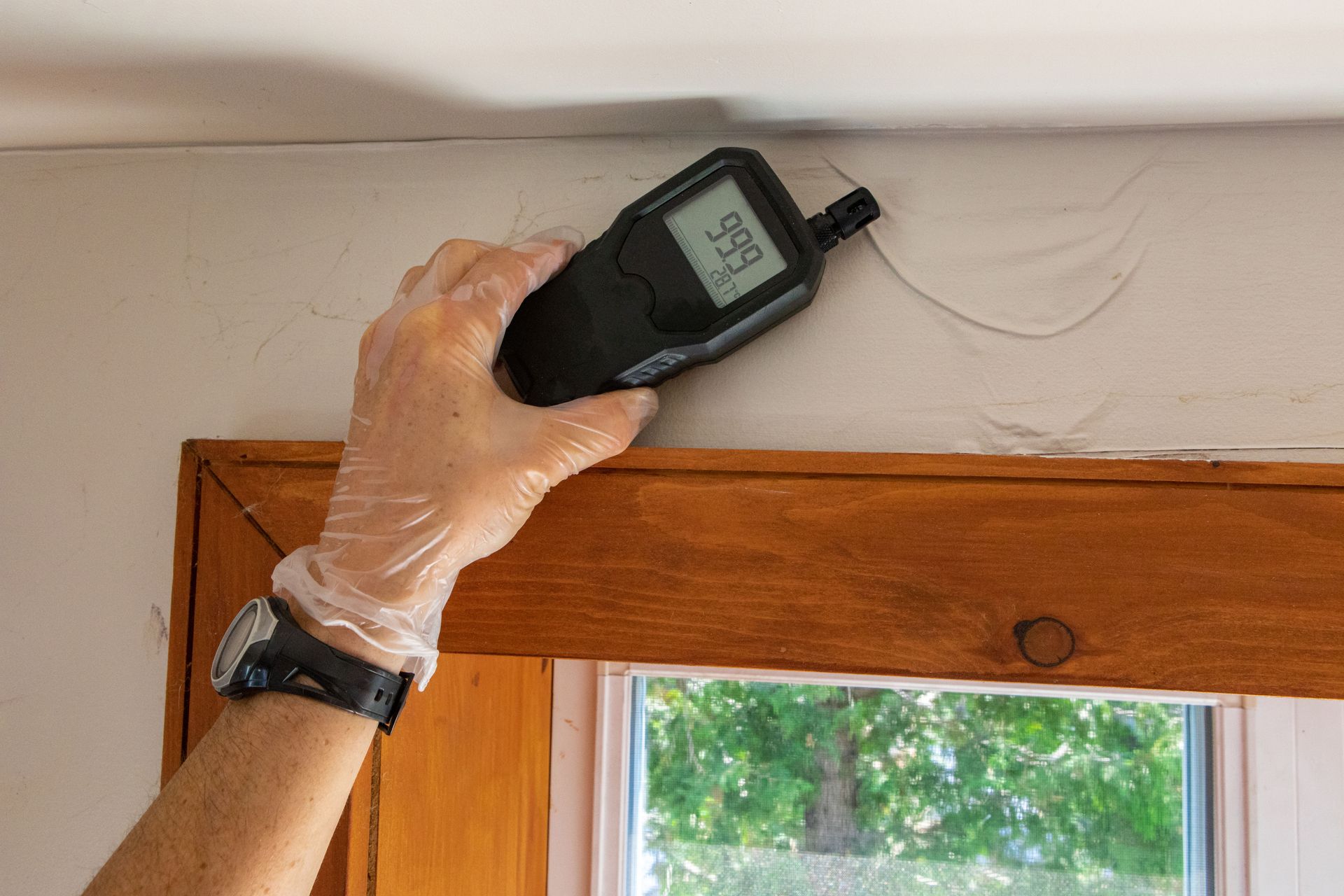
Suspected materials require structured evaluation to confirm whether asbestos is present. An inspector typically recommends targeted testing when visual indicators or property age suggest potential risk. This step is essential because appearance alone cannot confirm material composition.
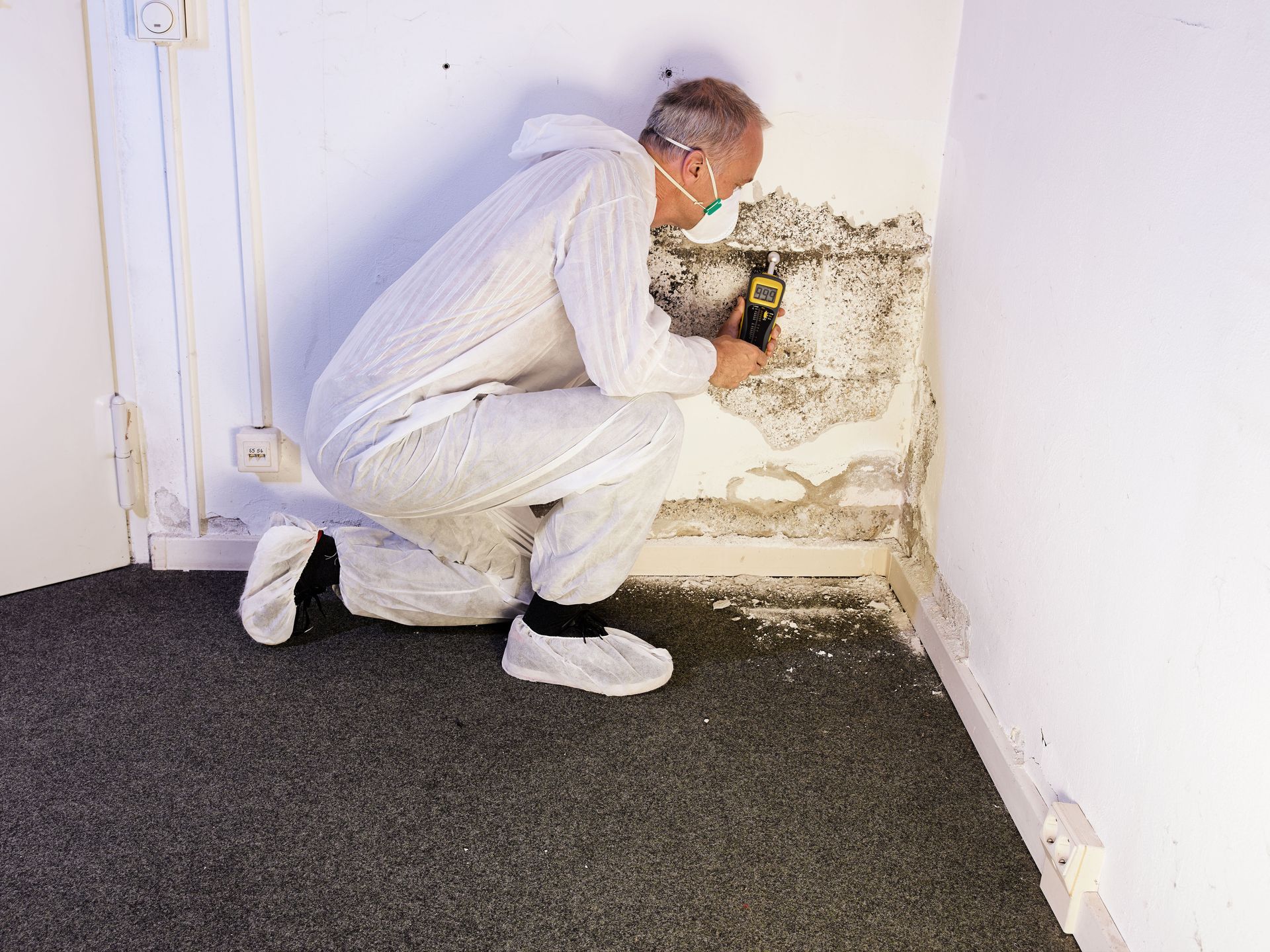
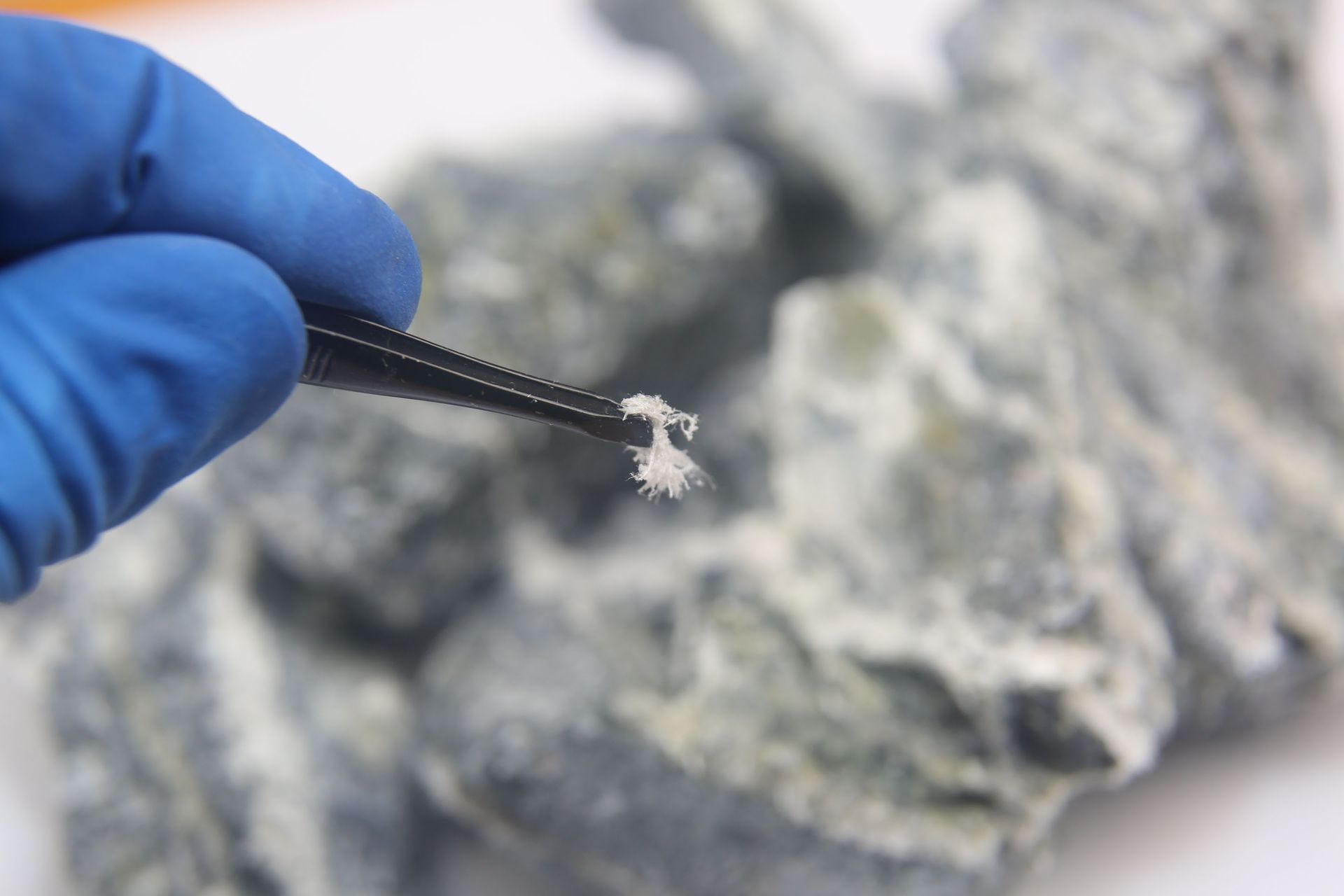
Testing involves carefully collecting samples from specific areas and analyzing them in a controlled laboratory environment. An inspector ensures that sampling is conducted safely to avoid unnecessary exposure during collection. Improper handling can increase risk, which is why professional oversight is recommended rather than relying solely on at-home kits.
Once testing is complete, homeowners receive clear results that guide decision-making. These results help determine whether remediation, containment, or routine monitoring is required. An asbestos inspector also helps interpret findings in the context of planned renovations or property use, ensuring that next steps are practical and compliant with safety standards.
Inspecting Common Materials
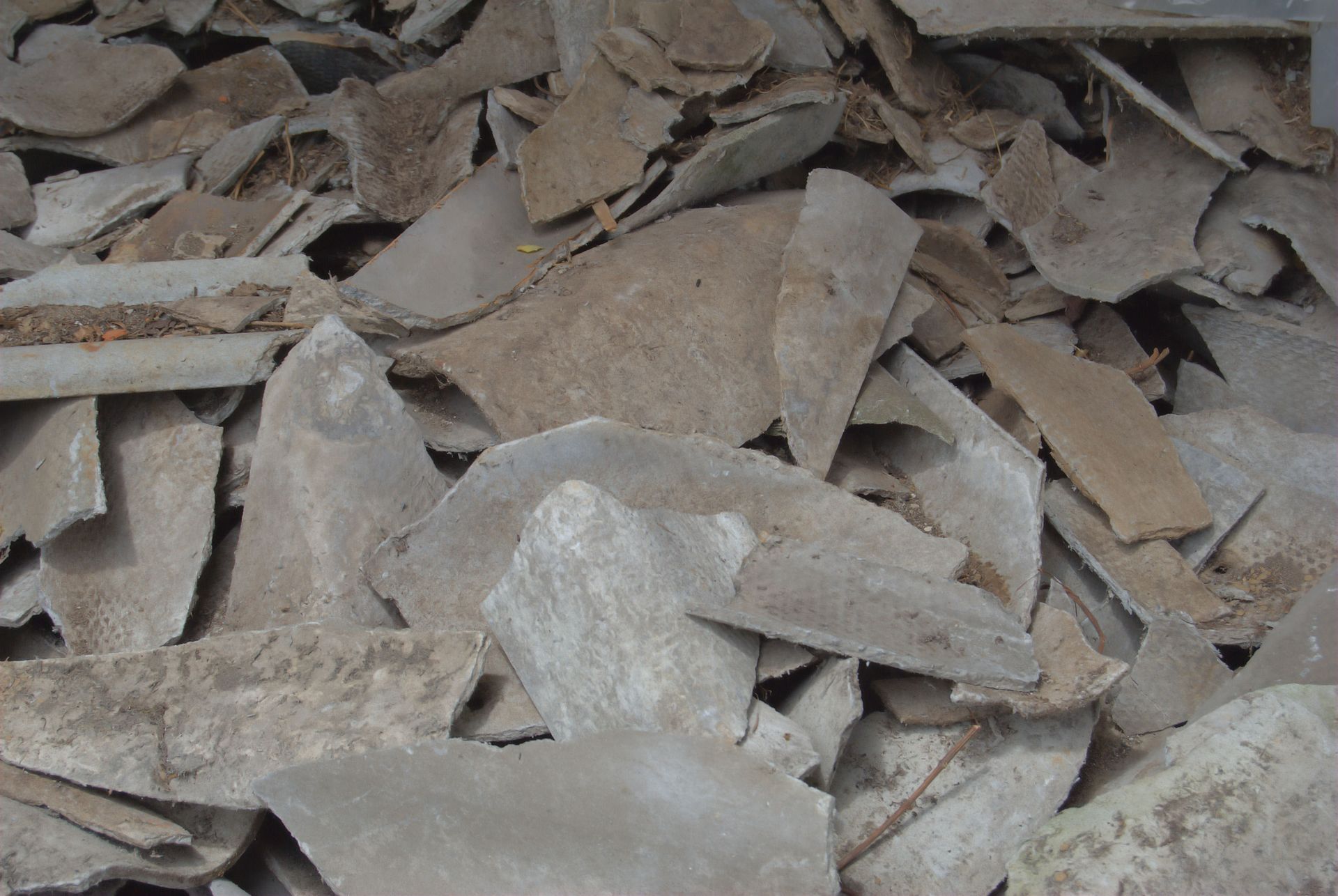
Many common building materials in older homes were manufactured using asbestos due to its durability and heat resistance. These include floor tiles, roofing materials, pipe insulation, and textured wall coatings. An inspector evaluates these materials to determine whether they pose a current or potential risk based on condition and placement.
Even when materials appear stable, aging can weaken their structure over time. This increases the likelihood that fibers may be released if the material is disturbed. An asbestos inspector identifies which components require further analysis and which can remain undisturbed under safe conditions.
Because asbestos was used widely across multiple construction applications, a comprehensive evaluation is necessary. Selective inspection can miss critical areas, especially in homes with multiple renovation phases. An inspector ensures that all relevant materials are considered during the assessment process, reducing the chance of overlooked hazards.
Managing Inspection
Proper preparation supports a more efficient and accurate inspection process. Homeowners who provide renovation history, building records, or prior inspection reports help an inspector assess risk more effectively. This background information allows for a more targeted evaluation of high-priority areas.
It is also important to avoid disturbing suspected materials before the inspection takes place. Disturbance can increase exposure risk and complicate accurate assessment. An inspector relies on stable conditions to determine material integrity and potential hazards without interference.
Planning ahead also helps streamline testing procedures if required. Clear access to key areas such as attics, basements, and utility rooms ensures that the inspection process is thorough. This preparation supports more reliable outcomes and reduces delays in identifying potential issues.
Managing Remediation
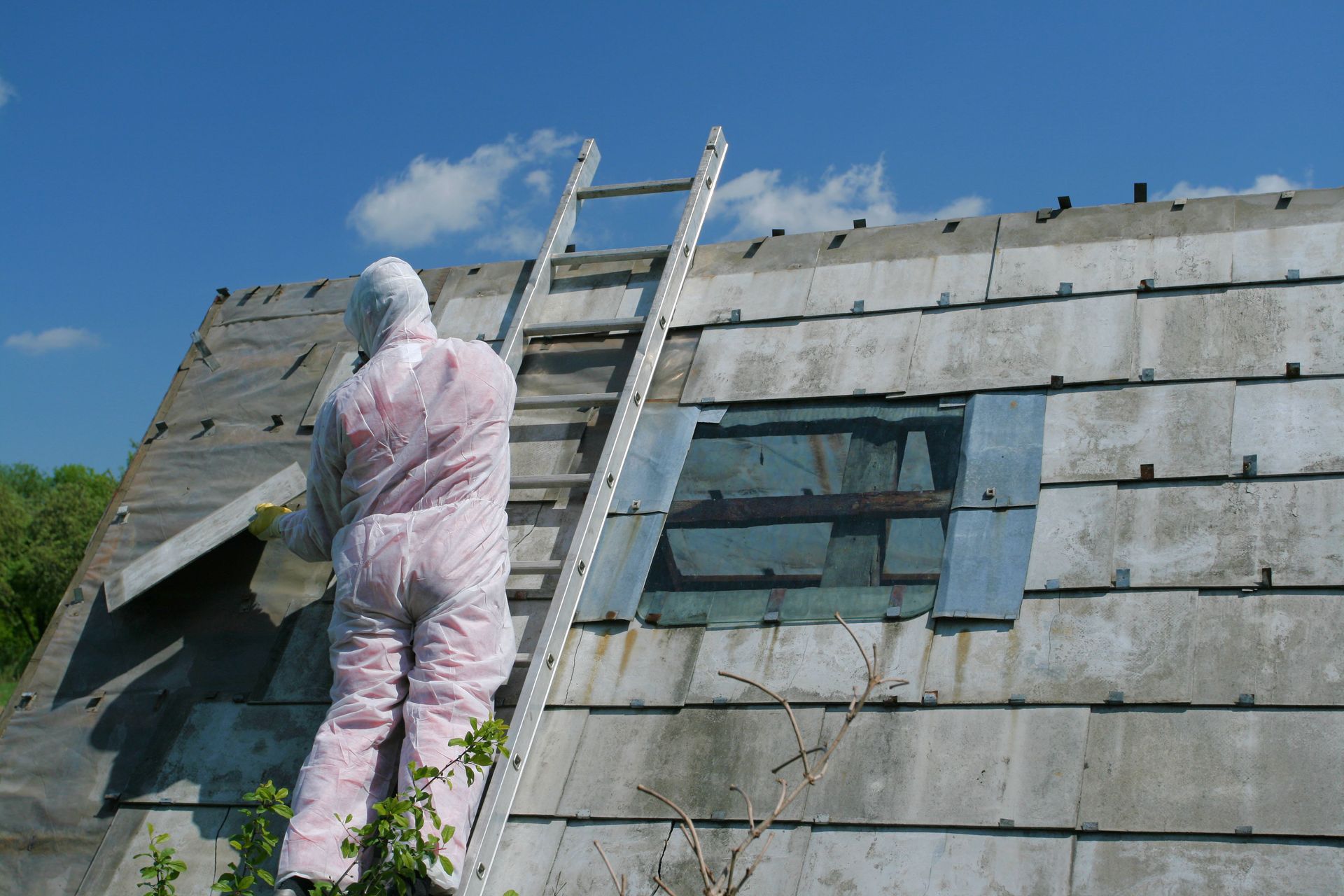
When asbestos-containing materials are confirmed, coordinated remediation becomes necessary to ensure safety. An asbestos inspector often works alongside licensed removal professionals to guide containment and disposal procedures. This coordination ensures that all work follows regulatory standards and minimizes exposure risk during remediation.
Homeowners should avoid attempting removal independently, as improper handling can release fibers into the air. An inspector helps define the scope of work and ensures that remediation strategies align with safety requirements. This structured process protects both occupants and workers during cleanup activities.
Clear communication between inspection and remediation teams ensures that identified risks are addressed efficiently. It also supports long-term safety by confirming that affected areas have been properly managed and secured after removal or containment is complete.
Understanding when professional evaluation is necessary plays a key role in maintaining safe living conditions in older properties. Working with an inspector provides clarity in identifying risks that are not visible during routine home assessments. From initial inspection through testing and remediation coordination, professional oversight ensures that decisions are based on accurate information rather than uncertainty. A safer home environment depends on early detection, informed planning, and responsible action, beginning with a qualified asbestos inspector. Contact All Green Air, LLC for professional guidance and inspection support.

Share On: