How a Mold Inspection Service Protects Your Home and Your Health
Mold is a silent problem that can develop inside homes long before it is visible. Once it spreads, it can affect indoor air quality, damage building materials, and trigger health issues for those living inside. Because mold thrives in dark, damp environments, it often grows unnoticed behind walls, under flooring, inside HVAC equipment, or in basements and crawl spaces. A mold inspection service plays a critical role in uncovering contamination early, assessing risks, and recommending solutions that protect both household well-being and the structural integrity of the building. Whether a home is older or newly built, a professional evaluation ensures that safety problems are taken seriously and addressed quickly.
Evaluating Hidden Mold and Identifying Risks
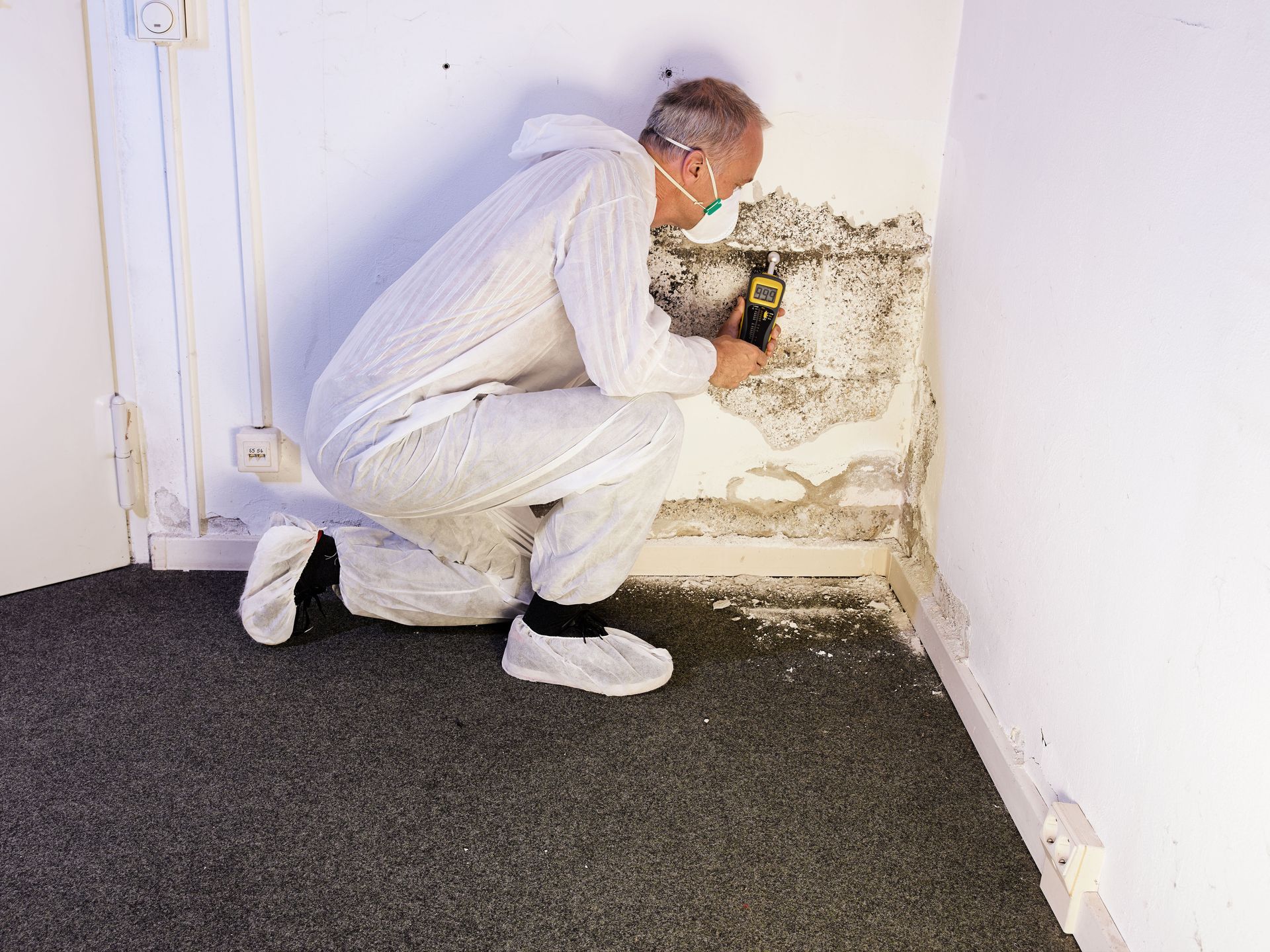
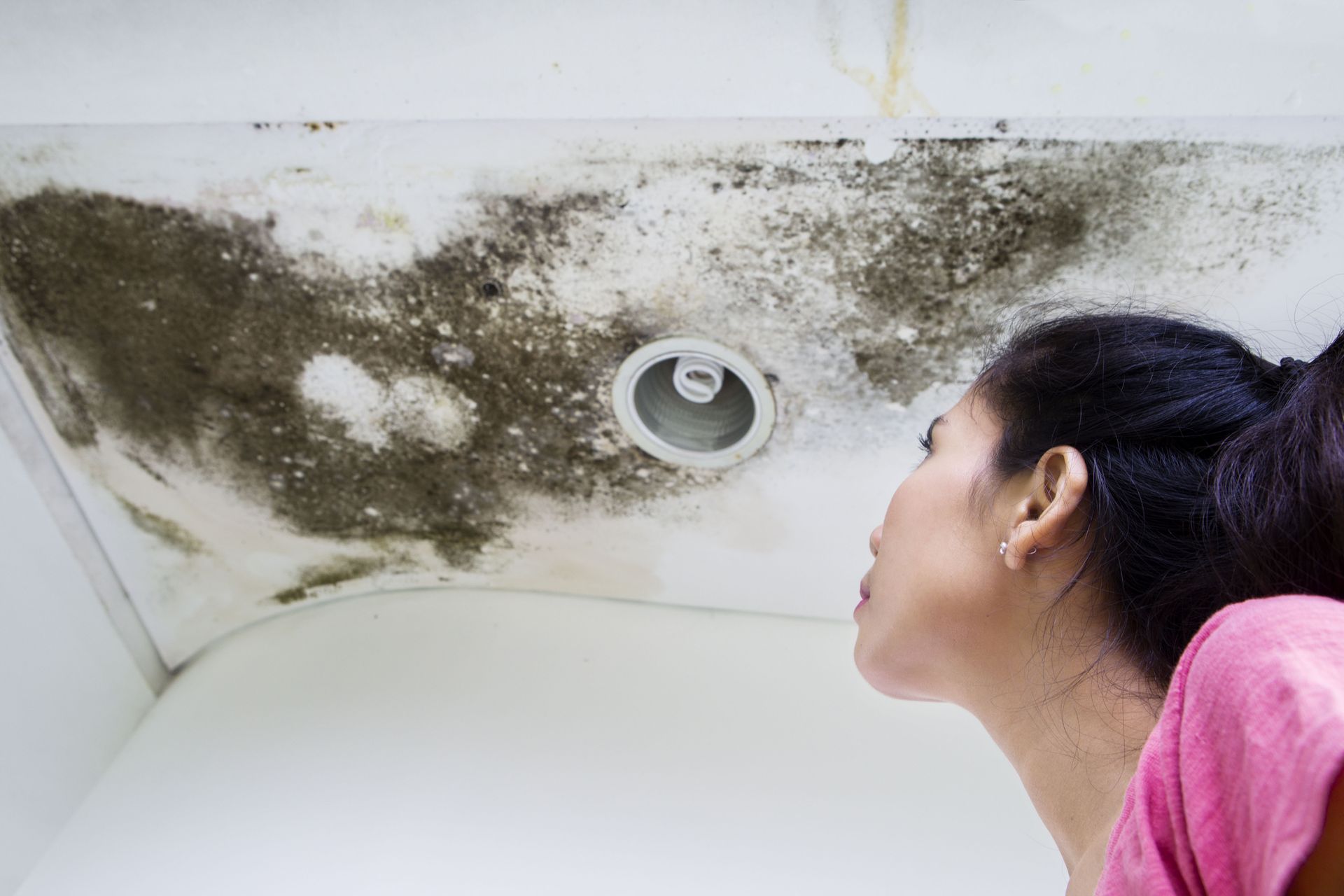
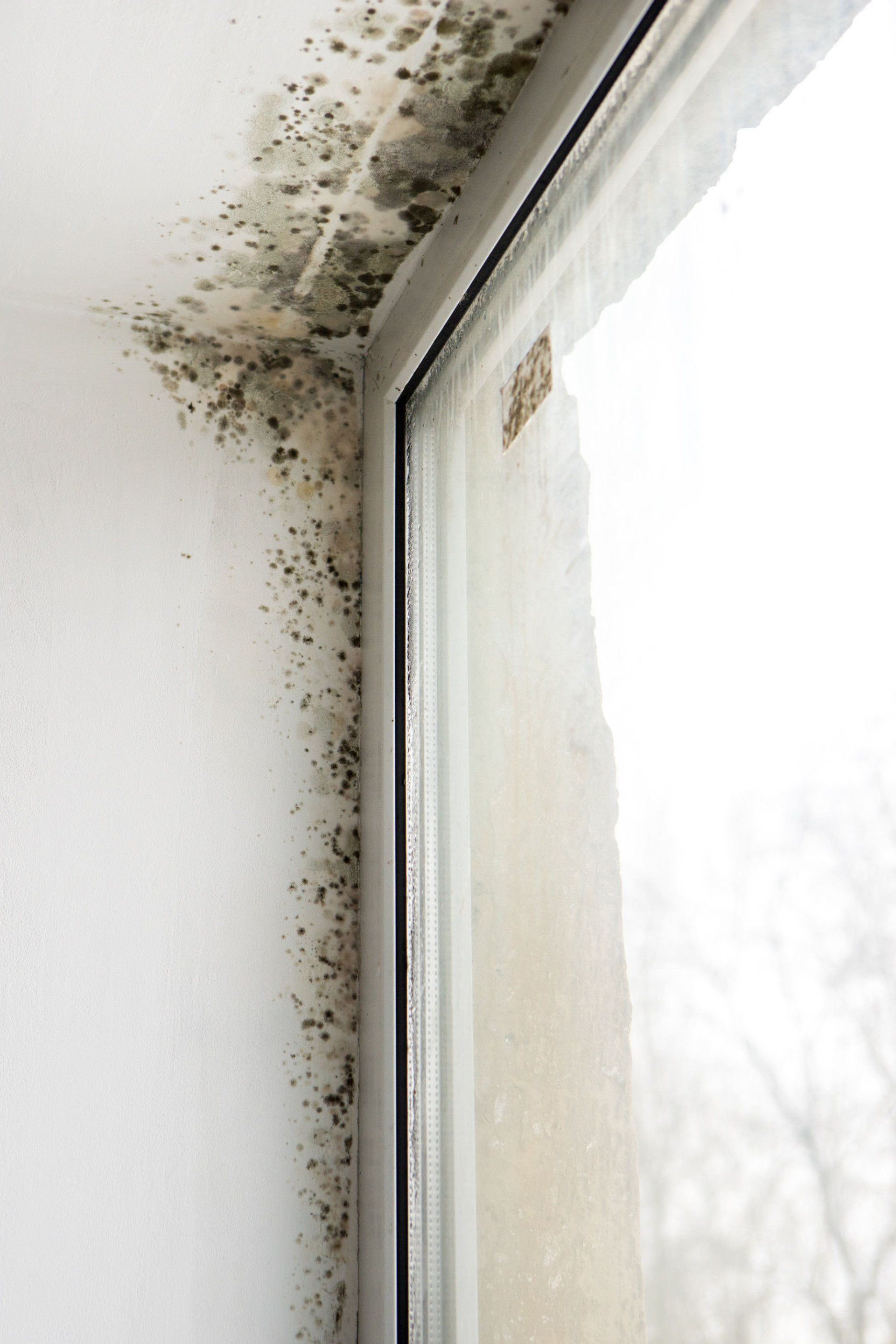
The primary responsibility of a mold inspection service is detecting the presence of mold and locating the source of moisture that enables it to grow. Water leaks, humidity, poor ventilation, and past flooding events create ideal environments for mold spores to spread. Unfortunately, mold can flourish behind surfaces that homeowners cannot easily see. Although musty odors, bubbling paint, or stained drywall may suggest a problem, these indicators typically appear only after mold has expanded significantly.
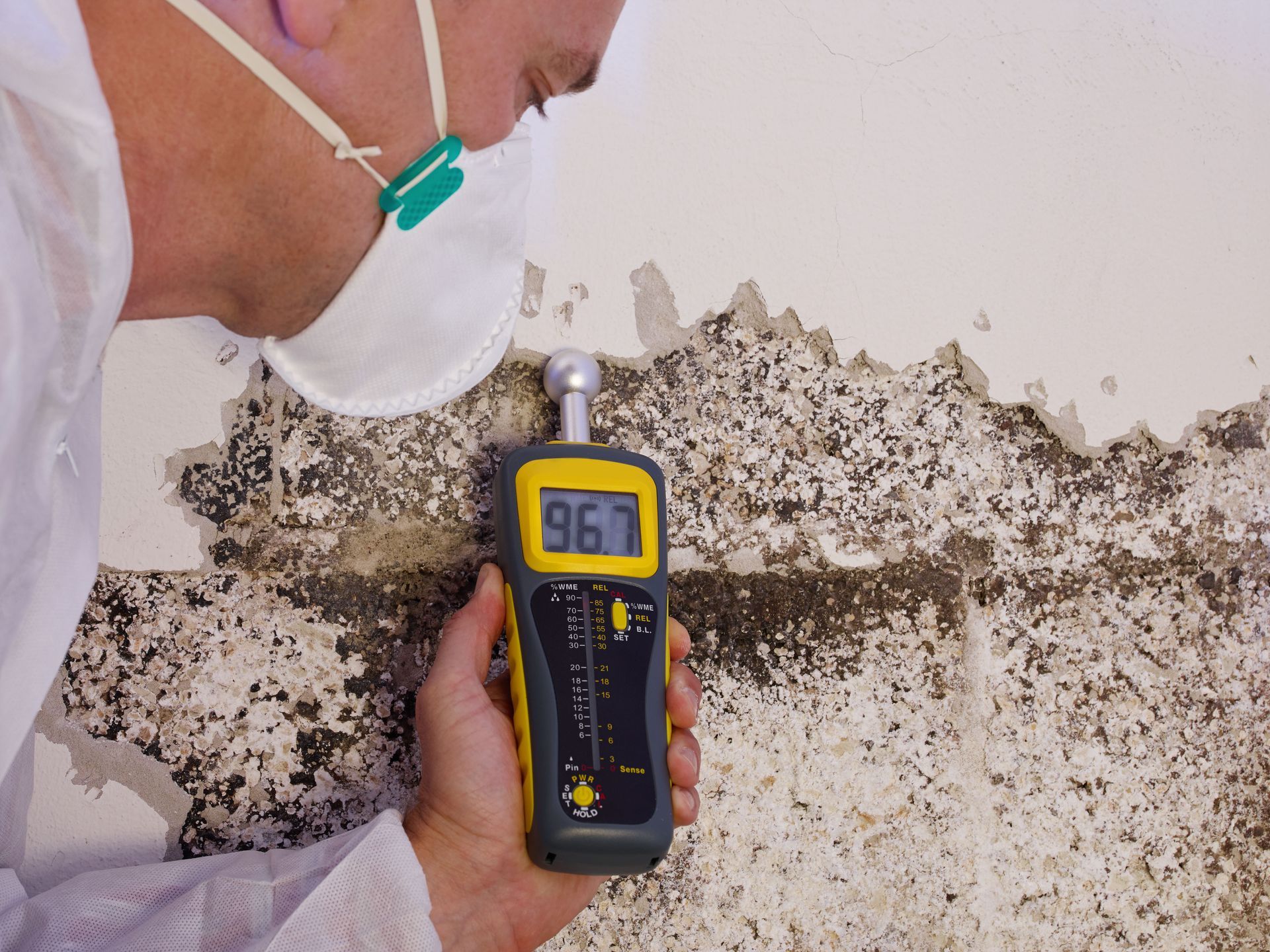
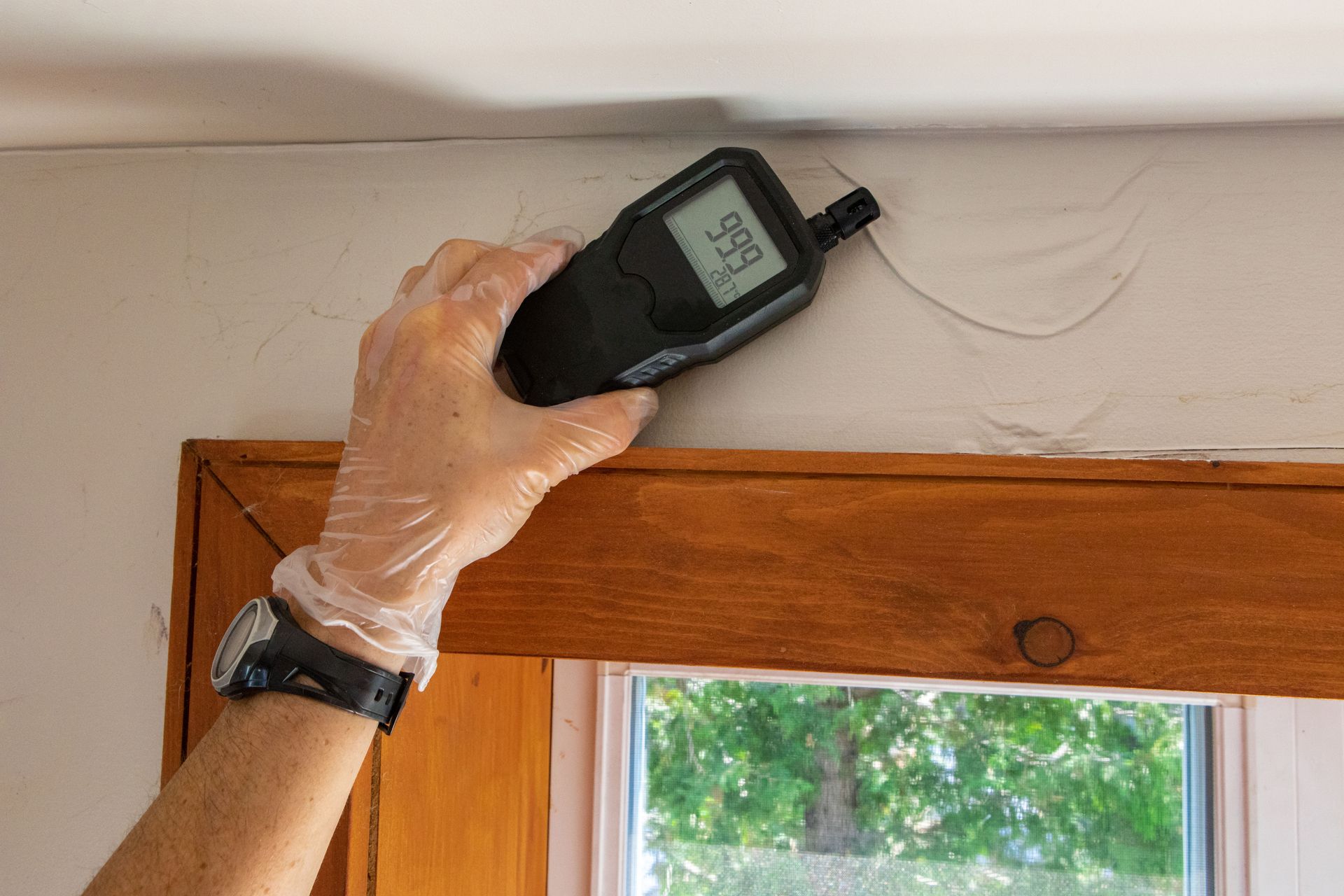
Professional inspectors use tools and techniques that go beyond surface-level observation. Infrared cameras can detect temperature differences behind walls that signal hidden moisture, while air sampling helps determine whether mold spores are circulating indoors. This precise evaluation allows inspectors to identify contamination even in areas that appear clean on the surface.
According to ComfyLiving, roughly 30% of newly built homes and buildings are at risk of developing mold. Even new construction can contain moisture from building materials, incomplete sealing, or improper ventilation. As a result, mold concerns are not limited to older homes. A mold inspection service provides reassurance to buyers and homeowners that their property is safe, reducing unexpected repair costs in the future. By identifying risks early, inspectors help occupants avoid long-term exposure that could harm both health and property value.
Assessing Indoor Air Quality and Health Impacts
One of the biggest concerns surrounding mold is its effect on the respiratory system. While many people associate mold with visible stains or unpleasant odors, airborne spores are often the true hazard. Once mold is disturbed or begins reproducing, microscopic particles travel through the air and can be inhaled, causing irritation and symptoms that range from mild to serious.
Exposure may lead to coughing, congestion, headaches, and eye irritation. For those with allergies, asthma, or compromised immune systems, symptoms can escalate quickly. Children and older adults are also more vulnerable to the negative health impacts of mold. A mold inspection service evaluates indoor air quality and determines whether spore levels exceed safe thresholds.
Inspectors may take air samples in multiple areas of a home to analyze the presence of mold species that could present health concerns. These lab-tested results confirm whether the environment requires remediation and help professionals determine how widespread the issue may be. By identifying the source of contamination and measuring its severity, inspectors provide essential information that helps homeowners make informed decisions about next steps for improving the living environment.
Determining Moisture Sources and Preventing Recurring Issues
Eliminating mold staining alone does not solve the underlying cause. To keep it from returning, the property must be evaluated for moisture intrusion or trapped humidity. A skilled mold inspection service not only identifies where mold exists, but also why it formed in the first place. Common moisture sources include leaking roofs, cracked foundations, poor drainage, malfunctioning plumbing, and condensation within walls or ducts.
Professionals investigate these conditions carefully and recommend targeted repairs. For example, if a leaking pipe in a crawlspace is contributing to mold growth, addressing the pipe and improving airflow in the area both play vital roles in preventing recurrence. Similarly, if condensation is forming due to inadequate ventilation in bathrooms, inspectors may suggest exhaust upgrades or changes in humidity control.
Basements and attics are frequent trouble spots where mold grows unnoticed for long periods. In attics, warm interior air escaping into the roof space can cause moisture buildup, making ventilation improvements key. In basements, high soil moisture or poor exterior drainage can cause constant dampness that must be addressed at its source. A mold inspection service considers the entire structure and helps homeowners understand the necessary steps to create long-lasting protection.
By identifying moisture pathways and recommending preventive action, inspectors empower homeowners with knowledge that can reduce long-term damage, minimize remediation costs, and enhance indoor comfort.
Developing a Custom Remediation Strategy
Not every mold situation requires the same solution. Some concerns are small and contained, while others have spread across multiple areas of the home. A mold inspection service develops a customized remediation plan based on test results, moisture conditions, and the specific type of mold identified. This ensures that cleanup efforts are both safe and effective.
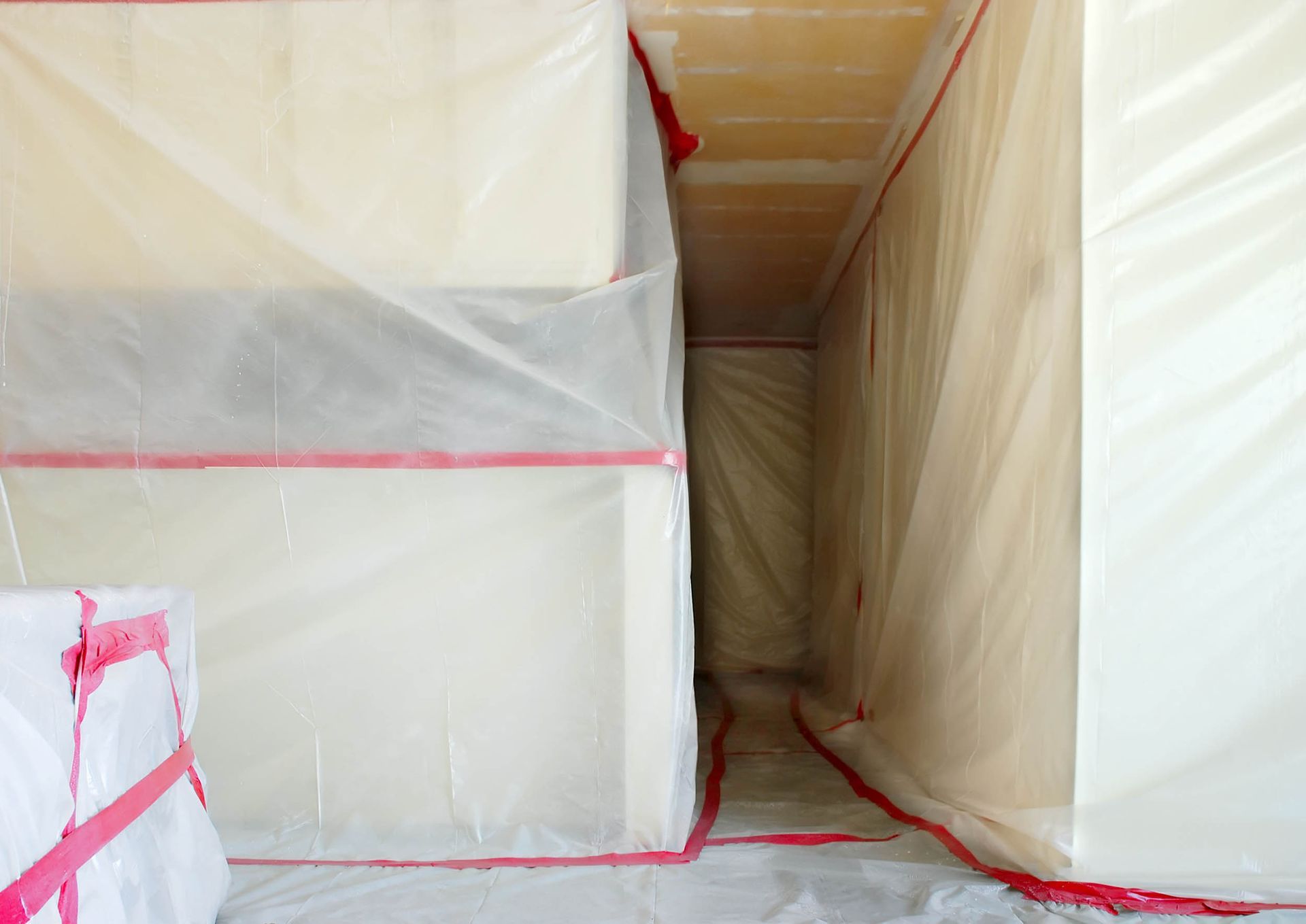
Professional remediation companies follow strict standards to contain spores, prevent contamination of unaffected areas, and remove compromised materials. Depending on the severity, the plan may involve air filtration, antimicrobial treatments, structural drying, or replacing damaged sections of flooring or drywall. For extensive growth, isolation barriers and negative air pressure systems may be used to ensure mold does not spread during cleanup.
Inspectors help homeowners understand each step of the remediation plan, including safety precautions, recommended timelines, and the process for verifying successful completion. In many cases, follow-up inspections are scheduled after remediation to ensure that conditions have improved and that moisture sources have been properly resolved. This added layer of confidence helps homeowners feel secure knowing that the environment is once again healthy.
Supporting Long-Term Home Value and Peace of Mind
Homes affected by mold damage can suffer financially if contamination is not handled promptly. Lingering odors, visible staining, and suspicious repairs can discourage buyers or lower market value. Insurance companies may also deny claims if mold is associated with neglect. By scheduling a mold inspection service proactively, homeowners demonstrate responsible maintenance that protects their investment.
Inspection reports also serve as helpful documentation for real estate transactions, property renovations, or rental agreements. When selling a home, proof of a recent inspection can reassure buyers that the property has been evaluated for hidden issues. In rental properties, regular inspections help ensure compliance with health regulations and maintain safe living conditions for tenants.
Another benefit is the increased comfort that comes from knowing the air you breathe is safe. Families can relax, move freely throughout the house, and avoid worrying about unseen threats behind walls or beneath flooring. For parents, reassurance that children are not being exposed to harmful particles can make a significant emotional difference. A mold inspection service offers clarity in situations that might otherwise remain uncertain or stressful.
When mold is treated early, and preventive measures are put into place, homes retain their structural strength and aesthetic appeal. From protecting ducts and insulation to avoiding expensive reconstruction projects, proactive inspections reduce risk and maintain stability long-term.
Mold concerns should never be ignored, and waiting until visible growth appears can lead to serious problems. A mold inspection service provides critical insight into where mold is hiding, how it affects indoor air quality, and what needs to be done to remove it safely. Professional inspectors identify risks early and uncover moisture sources that could lead to recurring issues if not corrected. Their expertise allows homeowners to take meaningful action, improve their living environment, and preserve the value of their home. When it comes to protecting your property and your health, scheduling a professional inspection offers peace of mind and ensures that your living space remains clean, comfortable, and safe throughout every season. Call All Green Air, LLC today to schedule your mold inspection service.


Share On: